Geothermal Power Heating: Explore Modern Heating Technology
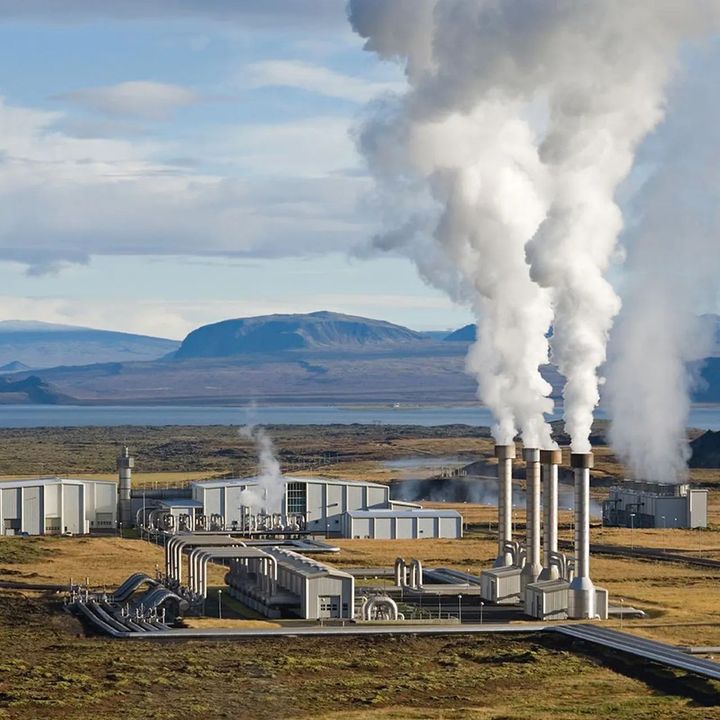
Geothermal heating uses thermal energy stored inside the Earth to provide warmth for buildings, water systems, and certain industrial processes. The ground receives heat from the Earth's interior and from solar energy absorbed near the surface. Underground temperatures vary according to location, depth, geology, and seasonal conditions.
Modern geothermal heating generally uses two approaches. The first draws on naturally warm underground water or steam in suitable geological areas. The second uses ground-source heat pumps to transfer heat between the ground and a building.
A ground-source heat pump does not need naturally hot underground water. Instead, it circulates fluid through buried pipes and uses electricity to move heat from the ground into indoor spaces. During warmer weather, many systems can reverse the process and transfer heat from buildings back into the ground.
How Does a Geothermal Heating System Work?
The basic operation depends on the type of system, but most building applications involve several connected components.
Ground loop: A network of underground pipes transfers heat between the ground and a circulating fluid.
Heat pump: The equipment raises the temperature of collected heat so it can warm indoor spaces.
Heat distribution: Radiators, underfloor heating, or compatible air systems distribute warmth throughout the building.
Controls: Thermostats and monitoring equipment regulate temperatures and system operation.
In a conventional heating system, fuel or electricity directly generates much of the required heat. A ground-source heat pump mainly moves existing thermal energy, which can reduce electricity use compared with some direct electric heating systems.
Main Types of Geothermal Heating
System type | How it works | Common application |
|---|---|---|
Ground-source heat pump | Transfers heat through buried pipes | Homes, offices, and public buildings |
Open-loop system | Circulates groundwater through suitable equipment | Buildings with appropriate groundwater access |
Direct-use geothermal | Uses naturally heated water directly | Greenhouses, pools, and district heating |
Deep geothermal heating | Accesses heat from deeper geological formations | District networks and industrial facilities |
The appropriate design depends on ground conditions, available land, local water resources, building demand, and the required heating temperature.
Why Geothermal Heating Matters Today
Energy Efficiency and Environmental Benefits
Heating and cooling account for a significant share of energy use in many buildings. Geothermal systems can help manage this demand by using the relatively stable temperature of the ground as a source of heat or as a place to release unwanted heat.
A properly designed ground-source heat pump can deliver several units of heat for each unit of electricity it consumes. Its actual performance depends on the equipment, ground conditions, installation quality, and indoor temperature requirements.
Important benefits include:
Energy efficiency: Heat pumps move heat rather than generating all of it directly.
Lower operational emissions: Emissions can be reduced when the electricity supply has a lower carbon intensity than conventional heating fuels.
Year-round comfort: Reversible systems can support both heating and cooling.
Long equipment life: Underground pipe loops can remain in use for decades when properly designed and maintained.
Reduced fuel dependence: Buildings can rely less on direct combustion for heating.
These advantages do not mean every geothermal system is automatically environmentally beneficial. Drilling, construction, electricity consumption, and groundwater management must also be considered.
Who Uses Geothermal Heating?
Geothermal technology serves different needs depending on the climate, geology, and scale of a project.
Homeowners and residential planners: Ground-source heat pumps can support space heating, cooling, and domestic hot water.
Commercial buildings: Offices, hotels, educational institutions, and healthcare facilities may use geothermal systems to manage indoor temperatures.
Agricultural operators: Greenhouses and aquaculture facilities can use suitable geothermal heat to maintain controlled temperatures.
Industrial facilities: Certain manufacturing and processing operations need moderate-temperature heat that may be available from geothermal resources.
Local authorities: District heating networks can distribute heat from a shared underground resource to multiple buildings.
In India, direct geothermal heating has particular potential in locations with suitable geological conditions. In warmer regions, ground-source technology may be more relevant for cooling than for conventional winter heating.
Factors That Influence System Performance
A geothermal heating project requires careful planning before installation. The following factors can strongly influence performance.
Factor | Why it matters |
|---|---|
Ground temperature | Determines the available temperature difference |
Soil and rock properties | Affect how efficiently heat moves through the ground |
Building insulation | Influences the amount of heating required |
Ground loop design | Affects heat transfer and long-term stability |
Heat pump efficiency | Influences electricity consumption |
Maintenance | Helps preserve reliable operation |
A building with good insulation and correctly sized equipment will generally be easier to heat efficiently than a poorly insulated building with high heating demand.
Recent Developments in Geothermal Heating
Advances in Ground-Source Heat Pumps
Recent geothermal development has focused on improving heat pump controls, drilling methods, underground heat exchangers, and system monitoring. Digital sensors can track temperatures, fluid flow, electricity use, and equipment performance. This information helps operators identify faults and adjust system settings.
Hybrid systems are another area of development. They combine geothermal technology with other energy sources, such as solar thermal systems or conventional heat pumps, to match changing demand. The best arrangement depends on the building and local energy conditions.
Researchers are also exploring ways to use existing wells and underground infrastructure for geothermal applications. These approaches may reduce the need for entirely new drilling in suitable locations, although the condition and geological characteristics of each site must be assessed.
India's National Geothermal Energy Policy
On September 15, 2025, India's Ministry of New and Renewable Energy notified the National Policy on Geothermal Energy. The policy supports exploration, research, pilot projects, ground-source heat pumps, and direct-use applications, including heating and cooling. It also encourages collaboration between government bodies, research institutions, and industry.
The policy is relevant because India has varied geological regions, including areas with hot springs and other geothermal indicators. However, the presence of a geothermal resource does not automatically make a location suitable for a particular heating system.
India's early geothermal initiatives are intended to improve knowledge of underground resources and establish the technical basis for future projects. The practical contribution of geothermal heating will depend on project results, site suitability, infrastructure, and wider adoption.
What These Developments Mean for Building Owners
Modern geothermal systems increasingly combine mechanical equipment with digital monitoring and building energy controls. Before choosing a system, building owners and planners should assess:
The local ground temperature and geological conditions.
Annual heating and cooling requirements.
The available space for underground loops or access for drilling.
Electricity availability and expected system performance.
Local water, environmental, and construction requirements.
These checks help distinguish technically suitable projects from installations that may not meet their expected performance targets.
Laws and Policies Affecting Geothermal Heating
India's Geothermal Energy Framework
India's National Policy on Geothermal Energy, notified in September 2025, provides a framework for exploring and developing geothermal resources. It encourages research, pilot projects, technical development, and applications such as ground-source heat pumps. The policy also recognises the importance of coordinating geothermal projects with relevant government authorities.
Project developers must consider applicable requirements relating to land use, drilling, groundwater, environmental protection, and construction. The exact permissions depend on the location and the type of geothermal system.
Groundwater and Environmental Protection
Open-loop systems may require groundwater extraction or reinjection. India's groundwater rules are administered through central and state-level arrangements, including the Central Ground Water Authority where applicable. Project planners should confirm whether a groundwater permission or other clearance is necessary.
Important considerations include:
Protecting groundwater quality during drilling and operation.
Managing underground fluid circulation responsibly.
Following applicable land and environmental requirements.
Assessing potential impacts on nearby communities and ecosystems.
Complying with relevant electrical and building safety standards.
Regulations differ between countries and regions, so international project guidance should not be treated as a substitute for local requirements.
Tools and Resources for Geothermal Heating
Several general tools help people understand, assess, and monitor geothermal systems.
Building energy calculators: Estimate heating and cooling demand using floor area, insulation, climate, and occupancy.
Geological mapping tools: Help assess ground conditions, rock formations, and potential drilling locations.
Heat pump performance calculators: Estimate seasonal efficiency and electricity consumption under specified operating conditions.
Energy monitoring systems: Track electricity use, indoor temperatures, and heat pump performance.
System design templates: Organise information about ground loops, equipment capacity, installation requirements, and maintenance schedules.
Technical learning materials: Explain heat transfer, geothermal resource assessment, environmental safeguards, and renewable energy planning.
These resources support early planning, but a qualified technical assessment is necessary before finalising a system design.
Frequently Asked Questions
What is the difference between geothermal heating and a ground-source heat pump?
Geothermal heating is a broad term for using underground heat. A ground-source heat pump transfers heat between the ground and a building, even where underground temperatures are not naturally high.
Can geothermal heating work in warm climates?
Yes. Ground-source heat pumps can provide cooling as well as heating. Their performance depends on ground conditions, system design, building requirements, and electricity use.
Is geothermal heating renewable energy?
Geothermal energy is generally considered renewable when underground heat is managed sustainably. Electricity consumption, construction impacts, and resource conditions still influence its overall environmental performance.
Does every location have suitable geothermal resources?
No. Ground-source heat pumps can work in many locations, but deep geothermal heating requires suitable underground temperatures, geology, and water conditions. A site assessment is essential.
What is the future of geothermal heating in India?
India's 2025 national policy supports geothermal research, pilot projects, and ground-source heat pump applications. Wider adoption will depend on technical results, suitable locations, infrastructure, and regulatory implementation.
Conclusion
Geothermal heating technology provides an approach to managing building temperatures by using heat stored beneath the Earth's surface. Ground-source heat pumps, direct-use systems, and deep geothermal projects serve different needs and require different conditions. Advances in monitoring, system design, and resource assessment are creating new opportunities, while India's National Policy on Geothermal Energy establishes a framework for further development. Careful planning, environmental protection, and compliance with local regulations remain essential for reliable and responsible use.