Corporate Wellness Programs: Explore Workplace Fitness and Health Trends
Healthy workplaces depend on more than exercise. They also require supportive environments, healthy habits, and balanced routines. Corporate wellness programs bring these elements together through activities that encourage physical fitness, mental wellbeing, and better health awareness among employees.
Organizations are increasingly recognizing the connection between health and wellness and everyday workplace experiences. These initiatives may include fitness activities, health education, preventive screening, stress management, and digital wellness resources. Their structure can differ according to organizational needs, workforce size, and available facilities.
Understanding Corporate Wellness Programs
What Are Workplace Wellness Initiatives?
Corporate wellness programs are organized activities designed to support employees' physical, mental, and social wellbeing. They may take place inside offices, through external facilities, or using digital platforms.
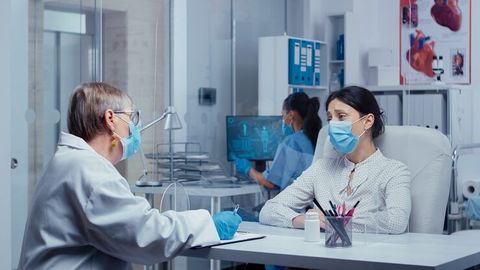
A program can include walking challenges, group exercise sessions, nutritional education, relaxation activities, and regular health awareness campaigns. Some organizations also arrange access to qualified health professionals for general guidance and preventive assessments.
Employee wellness is not limited to individual lifestyle choices. Workplace conditions, management practices, working hours, and relationships with colleagues can also influence overall wellbeing.
Why Workplace Health Matters
A healthy workplace can encourage positive daily habits and create a more supportive environment. Employees who have access to appropriate wellness resources may find it easier to maintain physical activity, manage everyday stress, and understand basic health information.
Corporate fitness activities also create opportunities for social interaction. Group exercises, walking clubs, and recreational events can encourage teamwork and participation across different departments.
Importance of Employee Wellness in Modern Organizations
Supporting Physical and Mental Health
Workplace routines often involve extended sitting, computer use, repetitive activities, and demanding schedules. These patterns can contribute to physical discomfort, fatigue, and stress.
Workplace wellness initiatives can address these concerns through practical activities, including:
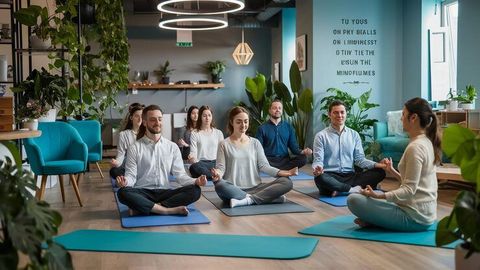
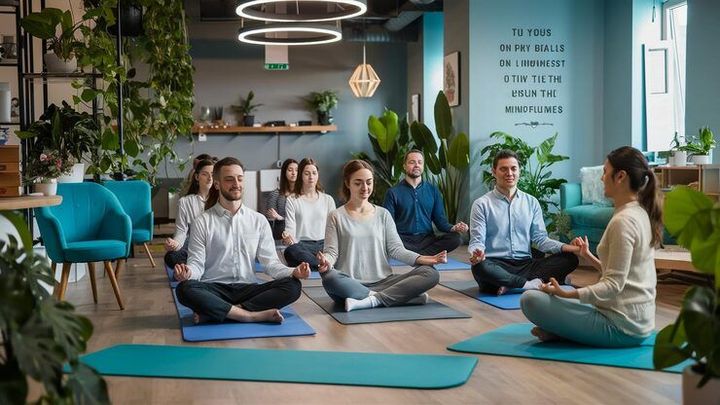
Physical activity: Walking sessions, stretching, yoga, and organized fitness classes.
Healthy eating: Educational sessions about balanced meals and everyday nutrition.
Mental wellbeing: Stress awareness, relaxation exercises, and access to appropriate support.
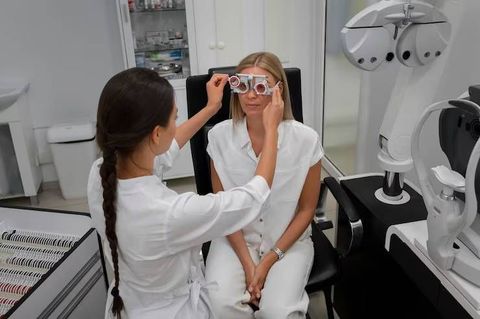
Preventive healthcare: General health assessments and awareness of common health risks.
Social connection: Team activities, recreational events, and supportive workplace communication.
Improving Workplace Relationships
Employee wellness initiatives can encourage employees to participate in shared activities outside their regular responsibilities. These experiences may strengthen communication and help develop positive relationships between colleagues.
A supportive environment also makes it easier for employees to discuss workplace challenges. Managers can contribute by listening to concerns, encouraging reasonable workloads, and treating employees fairly.
Creating a Balanced Work Environment
Workplace mental health is influenced by several factors, including workload, working hours, management behavior, and organizational culture. Wellness activities alone cannot resolve every workplace challenge.
Organizations should therefore combine individual health initiatives with improvements to working conditions. Flexible arrangements, clear responsibilities, respectful communication, and appropriate rest periods can contribute to a healthier working environment.
Recent Trends in Corporate Wellness for 2026
Digital Wellness Platforms
Digital technology is becoming an important part of modern employee wellness management. A corporate wellness platform can bring together activity schedules, educational materials, participation information, and wellness assessments.
Employee wellness software may also help administrators coordinate fitness challenges, communicate program updates, and collect employee feedback. However, organizations should carefully consider privacy, information security, and employee consent when using digital tools.
Greater Attention to Mental Wellbeing
Workplace mental health is receiving increased attention in organizational planning. Current discussions increasingly focus on preventing workplace stress rather than responding only after difficulties develop.
The World Health Organization's September 2026 guidance highlights the importance of managing workplace risks, supporting employees, and improving organizational conditions. Manager education and appropriate workplace adjustments are important parts of this approach.
More Comprehensive Wellness Strategies
The Global Wellness Institute identified several 2026 workplace wellbeing trends, including healthy longevity, financial health, changing workforce needs, and the mental health effects of workplace uncertainty.
These developments reflect a broader approach to employee wellbeing. Instead of focusing exclusively on exercise, organizations are considering different aspects of employees' everyday lives.
Workplace Wellness Trends at a Glance
| Area | Common Approach | Main Objective |
|---|---|---|
| Corporate fitness | Group exercise and walking | Encourage physical activity |
| Mental wellbeing | Stress awareness and support | Promote psychological health |
| Health screening | General preventive assessments | Improve health awareness |
| Digital platforms | Online wellness resources | Coordinate participation |
| Nutrition | Healthy eating education | Encourage balanced habits |
| Social wellbeing | Group activities | Support workplace relationships |
Laws and Policies Related to Workplace Health
Occupational Health and Safety
Workplace health initiatives should follow applicable occupational health and safety requirements. Regulations vary between countries and may cover workplace conditions, employee protection, occupational risks, and health-related responsibilities.
In India, the Occupational Safety, Health and Working Conditions Code, 2020, forms part of the country's occupational safety and workplace regulation framework. Organizations should consider applicable national and state requirements when developing health initiatives.
Employee Privacy and Health Information
Corporate health screening and digital wellness systems may involve personal information. Organizations should handle this information responsibly and follow relevant data protection requirements.
In India, the Digital Personal Data Protection Act, 2023, provides a framework for processing digital personal data. Organizations should consider applicable legal requirements, transparency, appropriate consent, and safeguards when collecting employee health information.
Inclusive Wellness Policies
Wellness activities should be accessible to employees with different abilities, age groups, fitness levels, and personal circumstances. Participation should respect individual choices and avoid unnecessary pressure.
Organizations should also consider reasonable workplace adjustments and ensure that employees are not treated unfairly because of health-related circumstances.
Tools and Resources for Workplace Wellness
Fitness and Activity Resources
Basic fitness resources can help employees participate in regular physical activities. These may include exercise spaces, walking routes, stretching instructions, group fitness sessions, and educational materials.
Activities should be appropriate for different physical abilities. Employees should be encouraged to choose activities that match their individual needs.
Digital Management Tools
Employee wellness software can support the organization of workplace health initiatives. Common features may include:
Activity calendars and participation tracking.
Digital health education materials.
Fitness challenge management.
Employee feedback collection.
Wellness progress summaries.
Access to relevant educational resources.
Digital systems should provide clear information about data collection and usage.
Health Education Resources
Organizations can arrange educational sessions about nutrition, sleep, physical activity, stress awareness, and preventive healthcare. Qualified professionals can help ensure that health-related information is accurate and appropriate.
Frequently Asked Questions
What Are Corporate Wellness Programs?
They are organized workplace initiatives that encourage physical fitness, mental wellbeing, preventive health awareness, and healthier everyday habits.
Why Is Employee Wellness Important?
Employee wellness supports healthier routines, workplace relationships, and awareness of physical and mental health needs.
What Is a Corporate Wellness Platform?
It is a digital system that helps organizations coordinate wellness activities, share educational resources, and manage participation information.
How Does Corporate Fitness Support Employees?
Corporate fitness encourages physical activity through group exercise, walking sessions, stretching activities, and other suitable fitness initiatives.
What Are the Main Workplace Wellness Trends in 2026?
Important trends include digital wellness platforms, mental health awareness, preventive health education, inclusive activities, and comprehensive employee wellbeing strategies.
Conclusion
Corporate wellness programs are becoming an important part of modern workplace planning. Their focus extends beyond physical exercise to include mental health, preventive healthcare, nutrition, and supportive working conditions.