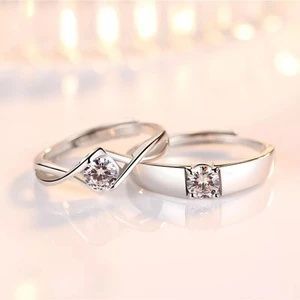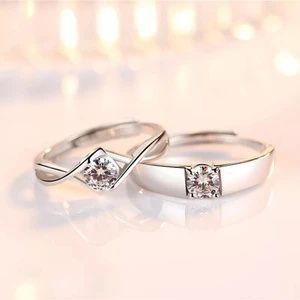
Engagement Ring Trends: Lab-Grown Diamonds & Luxury Styles
Engagement rings have long represented commitment, personal meaning, and the beginning of a new stage in a relationship. Traditionally, diamond rings have been associated with classic designs such as solitaire settings, round brilliant diamonds, and precious-metal bands. Today, engagement ring preferences are becoming more varied.
One of the most noticeable changes is the growing awareness of lab-grown diamonds. These diamonds are created in controlled laboratory environments rather than extracted from geological deposits. They have essentially the same chemical composition and crystal structure as natural diamonds, although their origins are different. This distinction is important when comparing diamond types.
Modern engagement ring trends also include changes in shapes, settings, metal combinations, and overall design. Some couples prefer minimalist rings, while others are attracted to elaborate luxury styles with larger centre stones, detailed halos, pavé bands, or coloured gemstones.
The growing interest in online jewellery research has also changed how people explore engagement rings. Consumers can now compare diamond characteristics, understand grading terminology, examine different settings, and research jewellery regulations before making an informed decision.
Popular Diamond Choices
Lab-grown and natural diamonds can both appear in engagement rings. The important difference is their origin, which should be clearly disclosed.
Diamond quality is commonly discussed through the 4Cs:
- Cut: Describes how effectively the diamond's proportions, symmetry, and polish interact with light.
- Color: Measures the presence of colour in a diamond. Traditional grading systems commonly use a D-to-Z scale.
- Clarity: Refers to internal and external characteristics that can affect the stone's appearance.
- Carat: Represents the diamond's weight rather than its visual dimensions alone.
A fifth consideration is increasingly important: diamond origin. Consumers should understand whether a stone is natural, laboratory-grown, treated, or an imitation material.
Why Engagement Ring Trends Matter Today
Changing Consumer Preferences
Engagement rings are increasingly viewed as personal style statements rather than products that must follow one traditional design. This has created greater interest in different diamond shapes, metal colours, setting structures, and unconventional combinations.
Lab-grown diamonds have contributed to this wider range of choices. Their presence has also encouraged more discussion about diamond identification, origin disclosure, grading, and consumer education.
Recent industry research indicates that natural diamonds continue to have strong appeal in luxury jewellery, while laboratory-grown diamonds remain an important part of the changing diamond market. De Beers reported that demand for natural diamonds remained resilient in 2025, particularly in higher-end categories, while laboratory-grown diamonds continued to influence the wider market.
Luxury Styles Are Becoming More Diverse
Luxury engagement rings are no longer limited to one visual formula. Current design preferences can include:
- Oval and elongated diamond shapes
- Emerald-cut and cushion-cut stones
- Three-stone designs
- Hidden halo settings
- Pavé and micropavé bands
- Vintage-inspired details
- Yellow-gold and mixed-metal designs
- Platinum settings
- East-west diamond arrangements
- Coloured gemstone accents
Large centre stones remain associated with luxury styling, but design balance is equally important. A well-proportioned setting can influence how large and distinctive a ring appears.
Personalisation and Individual Style
Many modern couples prefer rings that reflect personal preferences. Rather than selecting a ring only according to conventional trends, they may consider lifestyle, preferred metal, diamond shape, symbolism, and everyday practicality.
This has increased interest in custom-style layouts, alternative gemstones, distinctive bands, and designs that can complement wedding jewellery.
Recent Developments in Lab-Grown Diamonds and Luxury Jewellery
Market Developments During 2025 and 2026
The diamond market experienced significant changes during 2025. De Beers reported challenging conditions across the rough-diamond market, while higher-quality and larger diamonds showed stronger demand than some smaller and lower-quality categories. The company also noted continued pressure from the growing supply of laboratory-grown diamonds.
Research released in 2026 also showed that natural diamonds remained highly associated with luxury jewellery in the United States. The study found natural diamonds ranked ahead of synthetic lab-grown diamonds as the most desired luxury jewellery item among surveyed women.
At the same time, the growing presence of lab-grown diamonds has made origin disclosure increasingly important. Consumers researching engagement rings should therefore pay attention to accurate terminology and documentation.
Technology and Diamond Identification
Advances in gemological testing are helping laboratories distinguish between natural and laboratory-grown diamonds. This is particularly relevant because the two categories can have very similar optical and physical characteristics.
Diamond grading documentation can provide information about characteristics such as carat weight, colour, clarity, cut, and other identifying details. Consumers should examine documentation carefully and ensure that descriptions match the actual stone.
Design Trends for 2026
Current engagement ring design discussions increasingly focus on individuality and refined styling. Some notable directions include:
- Elongated diamond shapes that create a distinctive finger profile
- Minimalist bands paired with prominent centre stones
- Vintage-inspired settings with modern proportions
- Yellow-gold designs combined with white or colourless diamonds
- Three-stone rings representing past, present, and future
- Sculptural bands with unusual contours
- Hidden details that create visual interest without making the design overly elaborate
These trends demonstrate that luxury can be expressed through craftsmanship, proportions, materials, and design rather than through size alone.
Laws, Policies, and Consumer Protection
Diamond Disclosure Rules
Diamond descriptions should clearly communicate whether a stone is natural, laboratory-grown, or an imitation. In the United States, Federal Trade Commission guidance states that laboratory-created diamonds should be described with clear terminology indicating that they are not mined diamonds.
The FTC also emphasizes truthful descriptions of jewellery characteristics, including type, quality, size, weight, treatment, origin, and other material information.
These principles are important for Google Ads and other digital advertising because advertisements should not create confusion about the nature or origin of a diamond.
Indian Standards and Hallmarking
India has an established framework for precious-metal hallmarking administered by the Bureau of Indian Standards (BIS). Hallmarking verifies the fineness of precious-metal articles such as gold and silver.
BIS published information in 2026 concerning IS 19469:2025, a standard addressing consumer confidence in the diamond industry. It focuses on clear descriptions and distinctions between natural diamonds, laboratory-grown diamonds, treated diamonds, composite stones, and imitation diamonds.
The BIS mandatory hallmarking framework has also received updates, including amendments listed through August 2026.
For consumers in India, checking applicable hallmarking information for the precious-metal portion of an engagement ring and reviewing diamond documentation can support informed decision-making.
Helpful Tools and Resources for Engagement Ring Research
Diamond Comparison Tools
Online diamond comparison tools can help users examine:
- Carat weight
- Cut characteristics
- Colour grades
- Clarity grades
- Diamond shape
- Laboratory-grown or natural origin
- Grading documentation
A comparison worksheet can make it easier to evaluate several rings without relying only on photographs.
Ring Size Guides
A reliable ring-size guide can help estimate the appropriate finger size. Measurement should ideally account for temperature, time of day, and ring width because these factors can affect how a ring feels.
Diamond Grading Resources
Educational gemology resources can explain the 4Cs and diamond terminology. A grading report can also help users understand the documented characteristics of a particular stone.
Jewellery Planning Templates
A simple planning template can include:
- Preferred diamond origin
- Diamond shape
- Approximate carat range
- Metal preference
- Setting style
- Ring size
- Lifestyle considerations
- Documentation requirements
- Long-term maintenance considerations
Using a checklist can help separate personal preferences from marketing language and make comparisons more systematic.
Frequently Asked Questions
Are lab-grown diamonds real diamonds?
Lab-grown diamonds are diamonds created in controlled laboratory environments. They have essentially the same chemical, physical, and optical properties as natural diamonds, but their origin is different. They should be clearly identified as laboratory-grown or laboratory-created.
What are the most popular engagement ring shapes?
Round remains a classic choice, while oval, cushion, emerald, pear, marquise, and princess shapes are also widely recognized. Preferences vary by region, personal style, and current design trends.
What makes an engagement ring look luxurious?
Luxury appearance can come from diamond quality, proportions, craftsmanship, metal selection, setting detail, and overall design balance. A larger centre stone is only one possible element of a luxury aesthetic.
Are lab-grown diamonds suitable for engagement rings?
Yes. Lab-grown diamonds can be used in engagement rings and have physical and chemical characteristics essentially equivalent to natural diamonds. The key distinction is their origin, which should be accurately disclosed.
Why is diamond documentation important?
Documentation can provide information about a diamond's characteristics and origin. Reviewing relevant grading information helps users compare stones and understand what is being described.
Conclusion
Engagement ring trends are becoming more diverse as consumers explore lab-grown diamonds, natural diamonds, contemporary settings, vintage influences, and luxury designs. The traditional solitaire remains relevant, but modern options now extend across many shapes, metals, settings, and design approaches.