Men's Daily Wear Clothing: Global Fashion Trends, Premium Fabrics and Future Innovations
Men's fashion continues to evolve with changing lifestyles, preferences, and technology. Everyday clothing now combines comfort, appearance, versatility, and practicality. From casual outfits to professional wardrobes, mens clothing includes a wide range of styles suitable for different activities, climates, and personal preferences.
The global men's apparel market includes casual shirts, T-shirts, trousers, jeans, jackets, activewear, and formal clothing. Many consumers explore mens casual clothes for everyday activities, while others prefer mens dress clothes for professional environments and special occasions.
Online shopping has also changed how people explore clothing collections. Searches such as men's clothing stores, men's clothing near me, and stylish mens clothing help consumers discover different styles, compare fabrics, and understand available options.
Importance of Everyday Men's Clothing
Comfort and Practicality
Daily clothing should support regular activities without restricting movement. Breathable fabrics, comfortable cuts, suitable sizes, and lightweight designs are important considerations when selecting everyday outfits.
Cotton, linen, denim, and blended fabrics are commonly used in daily wardrobes. Each material has different characteristics related to softness, airflow, durability, and maintenance.
Personal Appearance and Versatility
Clothing influences personal presentation in social, professional, and casual environments. Simple combinations of shirts, trousers, jeans, and footwear can create different appearances without requiring complicated styling.
Business casual men outfits, for example, often combine collared shirts, chinos, lightweight jackets, and comfortable footwear. These combinations provide a balanced appearance for workplaces with relaxed dress expectations.
Inclusive Clothing Sizes
Modern clothing collections increasingly consider different body shapes and proportions. Big and tall mens clothing, plus size mens clothing, and big mens clothing categories provide additional sizing options.
Accurate measurements are important when selecting garments. Chest, waist, shoulder, sleeve, and inseam measurements can help consumers understand whether a particular design is suitable.
Global Fashion Trends in Men's Apparel
Casual and Minimalist Styles
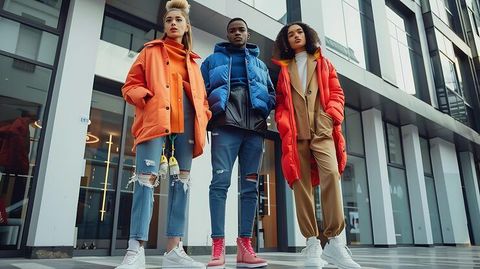
Minimalist fashion remains an important everyday clothing approach. Neutral colors, simple patterns, relaxed silhouettes, and versatile garments make wardrobe combinations easier.
Popular choices include:
Plain cotton T-shirts with denim jeans.
Oversized shirts with relaxed trousers.
Polo shirts with chinos.
Lightweight jackets with basic casual outfits.
Neutral sweatshirts with comfortable everyday trousers.
These combinations are commonly associated with trendy mens clothing because they balance simplicity and everyday practicality.
Business Casual and Smart Dressing
Business casual clothing combines professional appearance with relaxed styling. Unlike traditional formal clothing, it allows more flexibility in fabric, color, and garment selection.
Common options include button-down shirts, tailored trousers, chinos, knitwear, and unstructured jackets. These pieces can be combined according to workplace expectations, weather, and individual preferences.
Seasonal and Regional Fashion
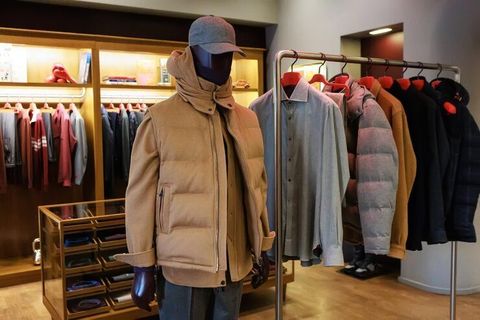
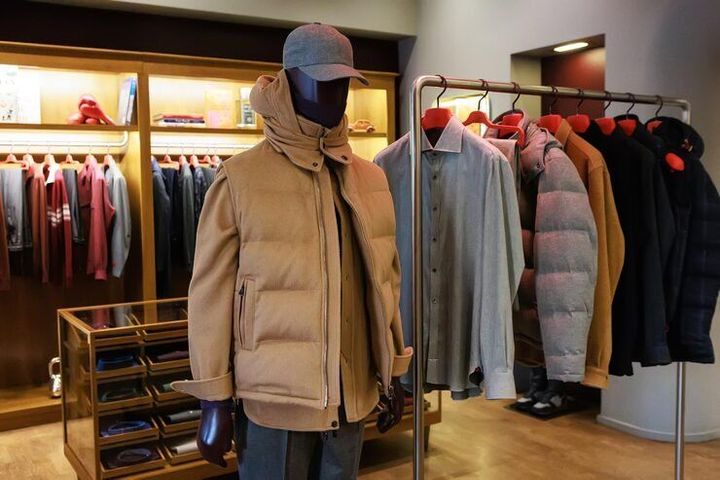
Clothing preferences differ across countries because of climate, cultural traditions, and daily routines. Lightweight cotton and linen garments are useful in warmer environments, while wool blends, jackets, and layered outfits are common in colder regions.
Global fashion influences also encourage consumers to explore different colors, patterns, and silhouettes.
Premium Fabrics and Material Selection
Natural Fabrics
Natural fibers are widely used in everyday clothing because of their different comfort and performance characteristics.
Cotton: Soft, versatile, and commonly used in T-shirts, shirts, and trousers.
Linen: Lightweight and breathable, making it suitable for warm weather.
Wool: Provides insulation and is frequently used in sweaters, coats, and formal garments.
Silk: Smooth and lightweight, commonly used in selected premium clothing designs.
Synthetic and Blended Fabrics
Polyester, nylon, elastane, and other manufactured fibers are used in modern clothing production. They can provide properties such as wrinkle resistance, stretch, strength, and faster drying.
Blended materials combine different fibers to achieve specific fabric characteristics. For example, cotton-polyester blends may combine cotton's familiar softness with polyester's durability and easier maintenance.
Fabric Comparison Table
Fabric | Main characteristics | Common clothing |
|---|---|---|
Cotton | Soft and versatile | T-shirts and shirts |
Linen | Lightweight and breathable | Summer shirts |
Wool | Insulating and warm | Sweaters and coats |
Polyester | Durable and quick-drying | Sportswear |
Denim | Strong woven structure | Jeans and jackets |
Elastane blends | Stretch and flexibility | Stretch trousers |
Fabric selection should consider climate, garment construction, washing instructions, and intended use rather than appearance alone.
Clothing Technology and Future Innovations
Smart Manufacturing
Modern garment manufacturing increasingly uses automated cutting, digital pattern development, computer-controlled stitching, and quality inspection systems.
These technologies can support consistent production and reduce certain manufacturing errors. Digital design tools also help manufacturers evaluate garment patterns before physical production begins.
Sustainable Textile Development
Environmental considerations are influencing material research and clothing production. Manufacturers are exploring recycled polyester, responsibly sourced natural fibers, water-efficient processing, and improved fabric recycling methods.
Durable clothing and appropriate garment care can also help extend product life. However, environmental performance depends on the complete manufacturing and supply chain process.
Artificial Intelligence and Digital Fashion
Artificial intelligence is becoming part of fashion design, inventory planning, and online shopping experiences. Digital measurement tools and virtual fitting technologies are being developed to help consumers understand garment sizing.
Future developments may include:
More accurate digital garment measurements.
Automated fabric inspection systems.
Virtual clothing visualization.
Improved demand forecasting.
Digital inventory management.
These technologies may influence how men's clothing is designed, manufactured, distributed, and selected.
Choosing Men's Clothing for Different Needs
Selecting suitable clothing involves understanding lifestyle, body measurements, fabric properties, and personal preferences.
A practical wardrobe can include:
Daily wear: Comfortable T-shirts, casual shirts, jeans, and trousers.
Workwear: Collared shirts, chinos, formal trousers, and lightweight jackets.
Travel clothing: Breathable garments, flexible trousers, and easy-care fabrics.
Special occasions: Dress shirts, tailored suits, and appropriate formal accessories.
Consumers searching for cheap mens clothing should also examine fabric quality, stitching, garment construction, and washing requirements. A lower purchase price does not necessarily indicate better long-term value.
When searching for men's clothing stores near me, consumers can compare size availability, fabric information, return policies, and garment quality before making a decision.
Frequently Asked Questions
What types of mens clothing are suitable for daily wear?
T-shirts, polo shirts, casual shirts, jeans, chinos, and comfortable trousers are common everyday choices.
Which fabrics are suitable for men's summer clothing?
Cotton and linen are popular choices because their fabric structures can support airflow and everyday comfort.
What is the difference between casual and business casual clothing?
Casual clothing focuses on relaxed everyday dressing, while business casual combines comfortable garments with a more professional appearance.
What is big and tall mens clothing?
It refers to clothing collections designed with additional sizing and proportions for taller or larger body types.
How is technology changing men's apparel?
Digital design, automated manufacturing, artificial intelligence, and virtual fitting tools are influencing clothing development and shopping experiences.
Conclusion
Men's daily wear clothing reflects changing lifestyles, global fashion influences, and improvements in textile technology. Comfortable fabrics, practical designs, inclusive sizing, and versatile outfits remain important considerations when building an everyday wardrobe.