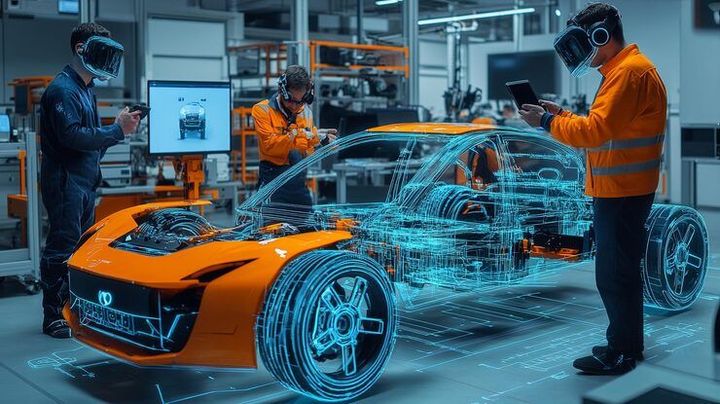
Honda Automotive Technology: Hybrid Engines, Electric Vehicles and Future Trends
Honda continues to develop technologies for changing mobility needs. Its automotive innovations include hybrid engines, electric vehicles, advanced safety systems, and improved fuel efficiency. These developments reflect the changing expectations of drivers who want practical transportation, reliable performance, and lower environmental impact.
Honda is a globally recognized automotive manufacturer with experience in passenger cars, motorcycles, and powertrain engineering. Its vehicle technologies include conventional petrol engines, hybrid powertrains, battery-powered electric vehicles, and connected driving features. Understanding these systems helps consumers compare different vehicle options and learn about the direction of modern transportation.
Topics such as Honda car insurance, Honda auto loans, Honda car financing, and Honda vehicle warranty are also relevant when considering vehicle ownership. These areas are separate from engineering technology but influence the overall experience of maintaining and operating a vehicle.
Importance of Honda Automotive Technology
Automotive technology plays an important role in vehicle performance, safety, environmental impact, and driving convenience. Honda continues to explore improvements in engine design, electrical systems, battery technology, and intelligent vehicle controls.
These developments are important for several reasons:
Fuel Efficiency: Improved engine and hybrid systems can help reduce fuel consumption under suitable driving conditions.
Environmental Considerations: Electric powertrains reduce direct exhaust emissions during vehicle operation.
Driving Safety: Modern assistance systems help drivers monitor their surroundings and respond to potential hazards.
Convenience: Digital displays, connectivity, and automated controls make everyday vehicle operation easier.
Long-Term Maintenance: Improved vehicle monitoring can help identify maintenance requirements and support regular servicing.
Understanding these features also helps drivers evaluate Honda car maintenance requirements and compare different vehicle technologies before making ownership decisions.
Honda Hybrid Engine Technology
How Hybrid Engines Work
Honda hybrid vehicles combine an internal combustion engine with one or more electric motors. Depending on the model and hybrid system, the vehicle can use electric power, engine power, or a combination of both.
Honda's e:HEV hybrid technology uses an intelligent power management system to select suitable operating modes. In many driving situations, the electric motor provides propulsion, while the petrol engine can generate electricity or directly drive the wheels when appropriate.
Hybrid technology can offer several advantages:
Reduced fuel consumption in suitable driving conditions.
Smooth acceleration through electric motor assistance.
Energy recovery during braking and deceleration.
Flexible operation for different driving environments.
Hybrid Technology and Conventional Engines
| Feature | Conventional Petrol Engine | Honda Hybrid System |
|---|---|---|
| Main energy source | Petrol | Petrol and electricity |
| Electric motor | Not generally used for propulsion | Supports vehicle propulsion |
| Energy recovery | Limited | Regenerative braking |
| Fuel efficiency | Depends on engine and driving conditions | Can improve efficiency in suitable conditions |
| System complexity | Generally simpler | Includes additional electrical components |
Actual performance depends on vehicle design, driving habits, traffic conditions, and maintenance.
Honda Electric Cars and Battery Technology
Development of Electric Vehicles
Honda electric cars use electric motors powered by rechargeable battery packs instead of conventional petrol engines for propulsion. These vehicles are part of the broader transition toward electric mobility.
Battery-powered vehicles generally include several important components:
Battery Pack: Stores electrical energy for vehicle operation.
Electric Motor: Converts electrical energy into mechanical movement.
Power Electronics: Manage electrical energy between the battery and motor.
Charging System: Allows the battery to receive electricity from compatible charging equipment.
Thermal Management: Helps maintain suitable operating temperatures for important electrical components.
Battery capacity, charging infrastructure, vehicle weight, and driving conditions influence electric vehicle range and performance.
Charging and Battery Management
Electric vehicle charging can take place through home charging equipment or compatible public charging stations. Charging times vary according to battery capacity, charger output, temperature, and the vehicle's charging capabilities.
Battery management systems monitor temperature, voltage, and charging conditions. These systems help maintain battery operation within recommended limits and support long-term performance.
Honda's electric vehicle development also involves research into battery efficiency, charging technology, and vehicle platforms designed specifically for electric powertrains.
Advanced Safety and Smart Vehicle Features
Driver Assistance Technology
Modern Honda vehicles can include advanced driver assistance systems designed to support safer driving. Honda Sensing is an example of a technology group that includes different safety and assistance features, depending on the model and market.
Common features may include:
Collision mitigation braking support.
Adaptive cruise control.
Lane keeping assistance.
Road departure mitigation.
Traffic sign recognition.
These technologies use cameras, sensors, and electronic controls to monitor driving conditions. However, they do not replace driver attention or responsible vehicle operation.
Connectivity and Digital Systems
Connected vehicle technology is another important area of automotive development. Depending on the model, drivers may have access to smartphone integration, navigation, digital instrument displays, and vehicle information systems.
These features can improve convenience by making important driving information easier to access. Their availability varies across vehicle models, equipment levels, and regional markets.
Honda Vehicle Ownership and Maintenance
Vehicle technology is closely connected to ownership responsibilities. Regular inspections and appropriate maintenance help keep different vehicle systems operating as intended.
Honda car maintenance may include:
Engine oil and filter replacement.
Brake system inspection.
Tyre pressure and condition checks.
Battery and electrical system testing.
Cooling system inspection.
Scheduled servicing according to manufacturer recommendations.
Electric and hybrid vehicles also require attention to their electrical components, cooling systems, tyres, and braking systems.
Warranty, Insurance, and Financing Considerations
Honda vehicle warranty coverage generally depends on the vehicle model, country, and applicable warranty terms. A Honda extended warranty may provide additional protection for certain components, subject to eligibility, exclusions, and conditions.
Honda car insurance and Honda motorcycle insurance are separate insurance categories. Coverage can differ according to local regulations, selected protection, vehicle type, and policy conditions.
Similarly, Honda auto loans, Honda car financing, and Honda lease deals are different financial arrangements. Interest rates, repayment periods, eligibility requirements, and contractual conditions vary between financial providers and markets.
A Honda dealership can provide information about available vehicle models, warranty documentation, servicing arrangements, and applicable ownership procedures. Honda auto repair facilities also handle inspections, maintenance, and repairs according to vehicle requirements.
Future Trends in Honda Automotive Technology
Electrification and Energy Efficiency
Future automotive development is expected to involve further improvements in hybrid systems, electric powertrains, and battery technology. Honda continues to explore ways to improve vehicle efficiency while adapting its product development to different regional transportation needs.
Battery development may focus on energy density, durability, charging performance, and manufacturing improvements. These areas are important for making electric vehicles more practical for different driving requirements.
Artificial Intelligence and Vehicle Automation
Artificial intelligence and advanced computing are becoming increasingly relevant to automotive engineering. Potential applications include driver assistance, traffic information processing, predictive maintenance, and improved vehicle system monitoring.
Further development of sensors and software may also support more advanced driving assistance features. However, the availability and capabilities of these technologies will depend on technical progress, safety requirements, and regional regulations.
Sustainable Manufacturing
Environmental considerations extend beyond vehicle operation. Automotive manufacturers are also examining production processes, material selection, energy consumption, and battery recycling.
Future developments may include more efficient manufacturing systems, improved material recovery, and greater use of renewable energy in production facilities.
Frequently Asked Questions
1. What is Honda hybrid engine technology?
Honda hybrid technology combines a petrol engine with electric motors to support vehicle movement and improve energy efficiency under suitable driving conditions.
2. Are Honda electric cars different from hybrid vehicles?
Yes. Honda electric cars use rechargeable batteries for electric propulsion, while hybrid vehicles combine an internal combustion engine with an electric motor.
3. What does Honda vehicle warranty cover?
Honda vehicle warranty coverage depends on the model, country, warranty period, and applicable terms. Drivers should review their vehicle's official warranty documentation.
4. Why is Honda car maintenance important?
Regular Honda car maintenance helps monitor important vehicle components, maintain performance, identify potential problems, and support safe vehicle operation.
5. What are the future trends in Honda automotive technology?
Important development areas include electric mobility, advanced hybrid systems, battery innovation, intelligent driver assistance, connected vehicles, and sustainable manufacturing.
Conclusion
Honda automotive technology covers several important areas, including hybrid engines, electric vehicles, safety systems, and digital connectivity. These developments reflect wider changes in the global automotive industry and evolving transportation requirements.