Tesla Electric Cars: Technology, Innovation and Future Trends
Electric vehicles are changing how people travel. Tesla electric cars have become an important part of the global automotive industry's transition toward electric mobility. The company focuses on battery-powered transportation, software integration, charging infrastructure, and renewable energy technologies.
Tesla vehicles use electric motors instead of conventional petrol or diesel engines. Their operation depends on rechargeable battery systems, electronic controls, and integrated software. Alongside vehicle technology, topics such as Tesla insurance, Tesla lease arrangements, Tesla financing, and charging equipment are relevant to people researching electric vehicle ownership.
Understanding these areas helps consumers evaluate the technology, ownership requirements, and developments shaping the electric vehicle market.
Understanding Tesla Electric Vehicle Technology
Tesla vehicles use lithium-ion battery systems to store electrical energy. These batteries supply power to electric motors, which convert electrical energy into movement.
Important technological components include:
Battery systems: Store electricity and provide energy for vehicle operation.
Electric motors: Generate movement without traditional combustion engines.
Software systems: Support vehicle settings, navigation, monitoring, and updates.
Regenerative braking: Recovers some energy during deceleration and returns it to the battery.
Charging technology: Allows vehicles to receive electricity through compatible charging equipment.
These components work together to support electric transportation and reduce dependence on conventional automotive fuels.
Importance
Electric Mobility and Changing Transportation Needs
Electric vehicles are becoming increasingly relevant as governments, manufacturers, and consumers explore alternative transportation technologies. Tesla has contributed to this development through battery engineering, charging infrastructure, and software-based vehicle features.
Electric mobility can provide several advantages, including reduced direct exhaust emissions, quieter operation, and fewer mechanical components associated with traditional combustion engines. However, environmental performance also depends on electricity generation, battery production, vehicle manufacturing, and recycling practices.
Tesla Insurance and Financial Considerations
Vehicle ownership involves more than selecting a model. Insurance arrangements, financing conditions, lease agreements, and maintenance requirements can influence the overall ownership experience.
Tesla insurance is an insurance option available in selected markets. Availability, coverage, eligibility, and policy conditions vary by location. People comparing Tesla car insurance should examine liability protection, collision coverage, comprehensive coverage, deductibles, and exclusions.
A Tesla accident lawyer may become relevant when someone needs legal assistance after an accident involving a Tesla vehicle. Questions about liability, insurance claims, vehicle damage, and accident circumstances depend on applicable local laws. Legal guidance should come from a qualified professional.
Financing and Leasing Options
Different financial arrangements can influence how people access electric vehicles.
Tesla financing: Generally involves borrowing money to purchase a vehicle through an available financing arrangement.
Tesla lease: Allows eligible customers to use a vehicle for an agreed period under contractual conditions.
Tesla auto loan: Refers to financing used to purchase a vehicle through a lender.
Buy Tesla: People researching a purchase should compare vehicle specifications, financing terms, taxes, registration requirements, and ownership responsibilities.
Tesla dealership: Vehicle purchasing and delivery arrangements vary by country and regional sales structure.
Comparing interest rates, repayment periods, mileage restrictions, and contract conditions can help consumers understand the differences between financing and leasing.
Charging Infrastructure and Vehicle Warranty
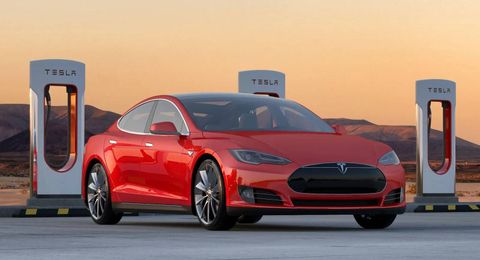
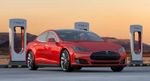
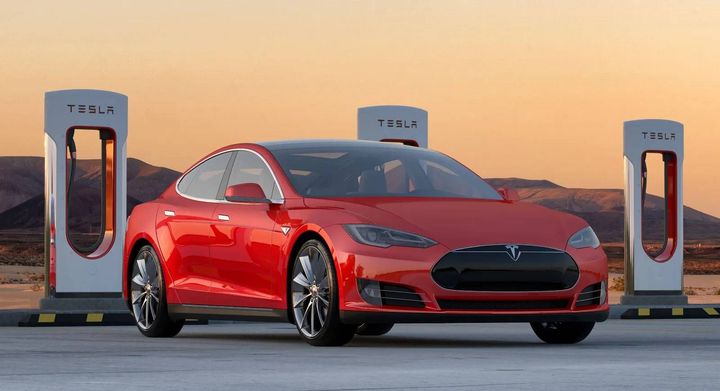
Charging availability is an important consideration for electric vehicle owners. A Tesla charger can refer to home charging equipment or compatible public charging infrastructure.
Home charging generally requires suitable electrical installation and equipment. Public charging networks provide additional charging opportunities, although connector compatibility, charging speeds, and access arrangements differ between locations.
A Tesla warranty describes the manufacturer's contractual coverage for specified vehicle components and periods. Coverage can vary by model, battery configuration, manufacturing year, and country. Owners should review the official warranty documentation to understand applicable conditions and exclusions.
Recent Updates and Technology Trends
Software and Battery Developments
Electric vehicle technology continues to develop through improvements in battery chemistry, energy management, charging systems, and vehicle software. Manufacturers are researching ways to improve battery durability, production efficiency, and energy density.
Software updates also play an important role in modern vehicles. Depending on the model and market, updates may introduce adjustments to vehicle functions, navigation, entertainment, and driver assistance features.
Renewable Energy and Solar Technology
Tesla's activities extend beyond electric vehicles into renewable energy and energy storage. Two relevant technologies are Tesla solar roof systems and Tesla solar panels.
Solar panels convert sunlight into electricity through photovoltaic cells. Solar roof systems integrate solar energy generation into specially designed roofing materials.
| Technology | Main Function | Common Application |
|---|---|---|
| Electric vehicles | Convert electricity into movement | Road transportation |
| Battery storage | Store electrical energy | Home and grid energy |
| Solar panels | Generate electricity from sunlight | Residential and commercial buildings |
| Solar roofs | Integrate solar generation into roofing | Building energy systems |
| Charging equipment | Transfer electricity to vehicles | Home and public charging |
These technologies demonstrate how transportation and renewable energy systems can work together. Actual energy production depends on sunlight, installation conditions, equipment specifications, and electricity consumption.
Artificial Intelligence and Driving Assistance
Modern electric vehicles increasingly use cameras, sensors, computing systems, and artificial intelligence for driving assistance. These technologies can support functions such as lane monitoring, parking assistance, and traffic awareness.
However, driver assistance is not equivalent to fully independent driving. Drivers must understand system limitations, follow road regulations, and remain attentive whenever required.
Laws and Policies
Electric Vehicle Regulations
Electric vehicle regulations differ across countries and regions. Governments establish requirements covering vehicle safety, battery transportation, environmental standards, registration, charging equipment, and road usage.
In the United States, federal vehicle safety requirements and state-level regulations influence electric vehicle operation and ownership. In India, electric vehicles are subject to applicable motor vehicle regulations, registration requirements, and relevant government policies.
Insurance and Consumer Protection
Insurance regulations determine how vehicle policies are issued, administered, and settled. Consumers should understand the policy's coverage limits, exclusions, claim procedures, and responsibilities.
Before entering a Tesla lease or financing agreement, individuals should examine the complete contract. Relevant details include interest rates, payment schedules, mileage restrictions, early termination conditions, and additional charges.
Warranty terms should also be reviewed carefully because manufacturer coverage and local consumer protection laws may provide different rights.
Tools and Resources
Resources for Understanding Tesla Ownership
Several resources can help people research electric vehicles and their associated technologies:
Vehicle comparison tools: Compare battery capacity, driving range, dimensions, and technical specifications.
Insurance calculators: Estimate potential premiums using available vehicle and driver information.
Loan calculators: Examine repayment schedules, interest rates, and financing periods.
Charging calculators: Estimate charging duration based on battery capacity and charging power.
Energy monitoring tools: Review household electricity consumption and solar energy generation.
Warranty documents: Understand coverage periods, limitations, and maintenance requirements.
Official manufacturer documentation, government transportation departments, insurance regulators, and independent automotive research publications can provide additional information.
Frequently Asked Questions
What technology powers Tesla electric cars?
Tesla vehicles use rechargeable battery systems, electric motors, electronic controls, and integrated software to support vehicle operation.
How does Tesla insurance work?
Tesla insurance provides vehicle insurance in selected markets. Coverage, eligibility, premiums, and policy conditions depend on location and individual circumstances.
What is the difference between Tesla lease and financing?
A lease provides vehicle use for an agreed contractual period, while financing generally involves borrowing money to purchase and own a vehicle.
Does a Tesla warranty cover the battery?
Battery coverage is included under applicable manufacturer warranty conditions. Its duration, limitations, and eligibility depend on the vehicle model and warranty documentation.
What is the difference between Tesla solar roof and solar panels?
Solar panels are installed to generate electricity from sunlight, while solar roof systems integrate electricity-generating materials into roofing structures.
Conclusion
Tesla electric cars represent an important development in modern transportation through battery technology, software integration, and electric charging infrastructure. Understanding Tesla insurance, financing, leasing, warranties, and charging requirements provides a broader perspective on vehicle ownership.