Industrial Conveyor Automation Systems: Explanation of Smart Conveyor Technology
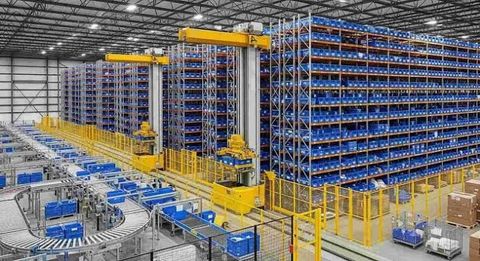
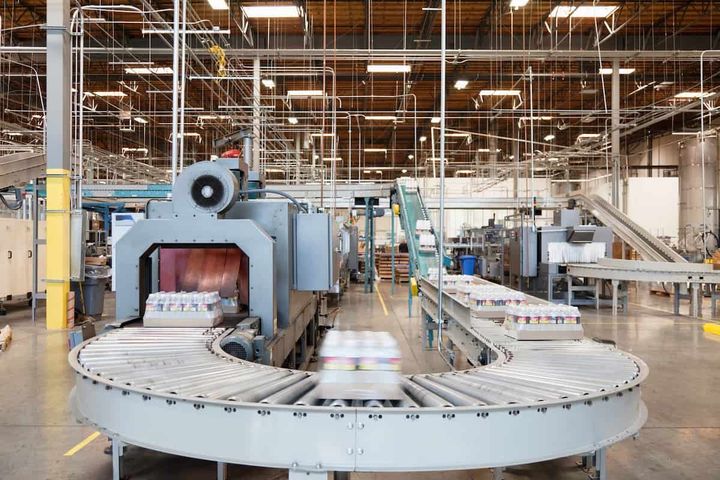
Industrial conveyor automation systems are automated material-handling arrangements designed to move products, components, packages, raw materials, or other loads through a facility. Unlike a basic conveyor that runs at a fixed speed, an automated conveyor system can respond to changing conditions using sensors, programmable controllers, variable-speed drives, scanners, and connected software.
The basic idea is simple: materials should move from one point to another with less unnecessary manual handling. Conveyors have been used in manufacturing and logistics for decades, but modern automation has expanded their role. Today, conveyor systems can identify products, adjust movement, communicate with other machines, and provide operating data.
A typical smart conveyor system may include:
- Belt, roller, chain, or modular conveyors
- Electric motors and gear drives
- Variable-frequency drives for speed control
- Photoelectric and proximity sensors
- Programmable logic controllers (PLCs)
- Human-machine interfaces (HMIs)
- Barcode or identification scanners
- Safety switches and emergency-stop devices
- Industrial networking equipment
- Monitoring and data-analysis software
The conveyor itself is only one part of the system. Automation connects the mechanical equipment with control technology so that movement can follow a defined production or material-flow sequence.
For example, a sensor can detect an approaching package. The controller can then determine whether the next conveyor section is available. If it is occupied, the upstream conveyor can slow down or stop. When space becomes available, movement can continue.
This type of coordination helps create a more controlled material flow.
Importance
Industrial conveyor automation matters because modern factories, warehouses, distribution facilities, food-processing plants, and other industrial environments often handle large volumes of material. Manual movement can become difficult when distances are long, production speeds are high, or processes require consistent timing.
Automation can address several common operational problems.
Better Material Flow
Smart conveyor technology can coordinate different conveyor sections instead of treating every section as an independent machine. Sensors and controllers can regulate accumulation, transfer, sorting, and routing.
This can reduce unnecessary stopping and starting and help maintain a more predictable flow.
Improved Process Visibility
Connected conveyor systems can generate information about operating speed, motor conditions, sensor activity, stoppages, and production movement.
A dashboard can turn this information into useful indicators such as:
| Indicator | What It Can Show |
|---|---|
| Conveyor speed | Movement rate of the system |
| Runtime | How long equipment has operated |
| Stop events | Frequency of interruptions |
| Sensor status | Detection and equipment conditions |
| Motor data | Drive and motor behavior |
| Throughput | Material movement over a period |
| Fault history | Repeated operating problems |
This information can help operators understand where delays occur and where equipment requires attention.
Support for Manufacturing Automation
Conveyors frequently connect machines within an automated production line. A conveyor may transfer a component from machining to inspection, from assembly to packaging, or from one processing stage to another.
When conveyor controls communicate with production equipment, the entire line can operate as a coordinated system rather than a collection of separate machines.
Workplace Safety
Automation can reduce unnecessary manual material movement, but it does not remove machinery hazards. Moving belts, rollers, chains, pulleys, and transfer points can create pinch and entanglement risks.
For this reason, machine guarding, emergency stopping, controlled access, and appropriate operating procedures remain essential parts of conveyor automation.
Energy and Resource Management
Modern drive technology can adjust conveyor speed according to actual process requirements. A conveyor does not always need to operate at its maximum speed.
Variable-speed operation can therefore help reduce unnecessary motor activity in suitable applications. However, actual energy performance depends on conveyor design, load, motor selection, operating conditions, and control strategy.
Recent Updates
Conveyor automation has continued moving toward greater connectivity and intelligent control during 2025 and 2026.
One important trend is the integration of artificial intelligence with industrial data. Recent logistics technology discussions have highlighted AI analytics, robotics, autonomous decision-making, wearable technologies, and connected systems as important developments for logistics and material movement.
AI-Assisted Monitoring
AI-based analytics can examine operating information and identify unusual patterns. For example, repeated motor-current changes, abnormal vibration, or frequent stoppages may indicate that an equipment problem deserves inspection.
The objective is shifting from simply reacting to failures toward identifying warning signs earlier.
More Connected Sensors
Industrial Internet of Things (IIoT) technology is becoming more important in conveyor systems. Sensors can collect information about speed, temperature, vibration, position, load, and equipment status.
Instead of keeping this information only inside a local controller, connected architectures can make selected data available to monitoring systems.
Robotics and Conveyor Integration
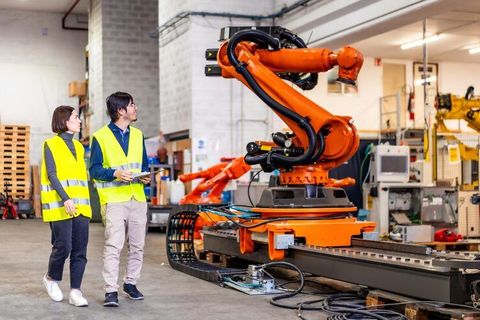
Conveyors increasingly work alongside robotic equipment. A conveyor may position components for a robotic arm, move completed items toward inspection, or transfer packages between automated handling stages.
The development of industrial robot safety requirements also continued in 2025. ISO 10218-1:2025 was published in February 2025 and addresses safety requirements for industrial robots, which is relevant when robotic systems are integrated with automated material-handling equipment.
Digital Monitoring
Another trend is the use of digital dashboards and historical data. Instead of looking only at whether a conveyor is running or stopped, operators can examine patterns over time.
This can support decisions about maintenance planning, process improvement, production scheduling, and equipment inspection.
Laws or Policies
Conveyor automation is affected by machinery-safety rules, electrical requirements, workplace regulations, and applicable technical standards. Exact requirements depend on the country, industry, conveyor design, and workplace conditions.
In the United States, OSHA requirements address conveyor safety in several workplace settings. For example, OSHA's construction standard requires appropriate stopping controls, warning signals, emergency-stop arrangements, guarding, and lockout/tagout provisions for conveyors.
OSHA requirements for marine terminals also address conveyor guarding, emergency stopping, safe starting procedures, loading areas, and lockout/tagout practices.
Machine guarding is another major consideration. OSHA's general machine-guarding requirements focus on protecting workers from hazards created by moving parts, including rotating components and ingoing nip points.
For automated conveyors, safety design may include:
- Emergency-stop buttons or pull cords
- Fixed and movable guards
- Interlocked access doors
- Safety switches
- Light curtains where appropriate
- Controlled restart functions
- Lockout/tagout procedures
- Warning signals
- Safe access and maintenance areas
- Risk assessment documentation
Standards such as ISO 12100, ISO 13849, IEC 60204-1, and applicable conveyor-specific standards may also be relevant depending on the system and jurisdiction.
Organizations should identify the regulations and technical standards that apply to their specific installation rather than assuming that one safety framework applies everywhere.
Tools and Resources
Several categories of tools can help with conveyor automation planning, operation, and learning.
Conveyor Calculation Tools
Basic calculators can estimate:
- Belt speed
- Conveyor capacity
- Load per unit length
- Motor power requirements
- Incline effects
- Roller spacing
- Throughput
These calculations should be checked against the actual equipment design and operating environment.
PLC Programming Tools
PLC programming environments are used to create control sequences for conveyors. Common functions include:
- Start and stop logic
- Sensor-based control
- Motor sequencing
- Fault detection
- Interlocking
- Emergency-stop logic
- Conveyor accumulation
- Product routing
HMI Design Tools
Human-machine interfaces provide operators with information about conveyor status. A useful HMI may display:
- Running or stopped status
- Fault conditions
- Sensor states
- Speed
- Alarm history
- Production counts
- Safety status
Simulation and Digital Modeling
Simulation tools can model material flow before physical changes are made. They can help users examine bottlenecks, accumulation areas, transfer points, and different conveyor layouts.
Maintenance Checklists
A basic inspection template can include:
- Belt or roller condition
- Motor and gearbox condition
- Sensor alignment
- Guard condition
- Emergency-stop operation
- Electrical connections
- Unusual noise or vibration
- Conveyor tracking
- Accumulated debris
- Fault history
Regular inspection should follow the equipment manufacturer's instructions and applicable workplace safety requirements.
FAQs
What is an industrial conveyor automation system?
It is a conveyor-based material-handling system controlled through technologies such as sensors, PLCs, drives, HMIs, scanners, and industrial networks.
How does smart conveyor technology work?
Sensors collect information about materials and equipment. Controllers process that information and determine actions such as starting, stopping, slowing, routing, or transferring material.
What types of conveyors can be automated?
Belt, roller, chain, screw, modular belt, overhead, and other conveyor types can incorporate automation, depending on the application and system design.
Can conveyor automation improve workplace safety?
It can reduce some forms of manual material handling and provide controlled movement, but automated conveyors still contain mechanical and electrical hazards. Guards, emergency stops, risk assessment, and safe operating procedures remain important.
Is AI necessary for conveyor automation?
No. Basic automation can operate effectively with sensors, PLCs, drives, and predefined control logic. AI and advanced analytics are additional technologies that can support monitoring, prediction, optimization, and decision-making in suitable applications.
Conclusion
Industrial conveyor automation systems have developed from simple powered transport equipment into connected components of modern manufacturing and material-handling environments. Sensors, PLCs, variable-speed drives, HMIs, robotics, and industrial networks allow conveyors to respond to changing production conditions.