Industrial Liquid Filling Machines: Automation, Precision & Smart Manufacturing Guide
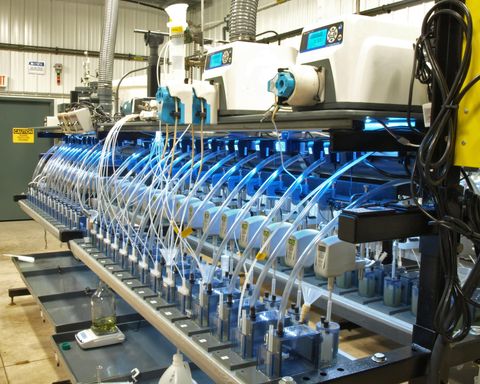
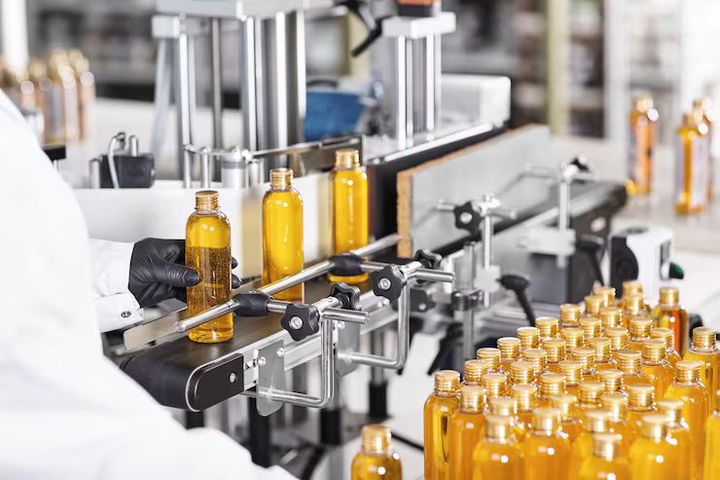
Industrial liquid filling machines are automated or semi-automated systems designed to place measured quantities of liquid into containers such as bottles, jars, cans, pouches, and other packaging formats. They are widely used in food processing, beverages, pharmaceuticals, cosmetics, chemicals, personal care, and other manufacturing environments.
The basic purpose of a liquid filling machine is simple: move a liquid from a storage tank or supply system into individual containers with controlled volume and repeatable accuracy. Depending on the application, the machine may use piston filling, pump filling, gravity filling, pressure filling, vacuum filling, or flow-meter-based technology.
Industrial filling equipment exists because manual filling can become difficult when production volumes increase. Human operators may find it challenging to maintain the same filling level across thousands of containers. Automated filling technology helps create a more consistent production process while reducing unnecessary handling.
Modern systems can also integrate conveyors, sensors, bottle positioning units, capping equipment, labeling systems, programmable controls, and inspection technologies. This makes liquid filling machines an important component of automated packaging machinery and smart manufacturing environments.
Why Industrial Liquid Filling Machines Matter Today
Manufacturers increasingly focus on precision, production consistency, traceability, workplace efficiency, and quality control. Liquid filling equipment can support these goals by controlling important parts of the filling process.
One major advantage is repeatability. When the machine is correctly configured, each container can receive a controlled quantity based on the selected filling method and product characteristics.
Liquid viscosity, temperature, foaming behavior, container design, and product density can all affect filling performance. For this reason, industrial filling technology is not simply about moving liquid from one location to another. It involves selecting appropriate equipment and controls for the specific material.
These machines can be relevant to:
- Food and beverage manufacturers
- Pharmaceutical production facilities
- Cosmetic and personal care manufacturers
- Chemical processing plants
- Household product manufacturers
- Industrial chemical producers
- Research and laboratory environments
- Contract manufacturing facilities
The technology also supports broader industrial automation trends. Sensors and programmable controllers can monitor machine conditions, detect containers, coordinate filling cycles, and communicate with other production equipment.
For pharmaceutical and food applications, controlled handling is particularly important because hygiene, contamination prevention, packaging integrity, and documentation can influence product quality.
Common Types of Liquid Filling Machines
Different liquids require different filling technologies. Selecting a machine depends on viscosity, container type, filling volume, production requirements, and hygiene considerations.
| Filling Technology | Typical Application | Main Characteristic |
|---|---|---|
| Gravity Filling | Thin liquids | Uses controlled liquid flow |
| Piston Filling | Thick liquids | Suitable for higher-viscosity materials |
| Pump Filling | Various liquids | Uses controlled pumping |
| Pressure Filling | Beverages and liquids | Uses controlled pressure |
| Vacuum Filling | Certain containers | Uses vacuum-assisted filling |
| Flow Meter Filling | Precise applications | Measures liquid flow electronically |
Gravity fillers are commonly associated with free-flowing liquids. Piston fillers are useful when the material is thicker, such as creams, sauces, gels, or similar formulations.
Pump-based systems provide flexibility for different liquid characteristics, while electronic flow-meter systems can support precise measurement and automated monitoring.
Recent Developments in Liquid Filling Technology
During 2025 and 2026, industrial packaging technology has continued moving toward automation, digital monitoring, improved hygiene, and more flexible production systems.
One important trend is the integration of programmable control systems with sensors and digital monitoring. Instead of operating as isolated equipment, modern filling machines can become part of a connected production line.
Another trend is greater flexibility. Manufacturers may need to handle different container sizes or liquid formulations on the same production line. Adjustable filling parameters, recipe management, quick-change components, and automated settings can help address these requirements.
Data collection is also becoming more important. Production information such as filling cycles, machine status, rejected containers, and operating conditions can be recorded for analysis and quality management.
In India, regulatory activity has also continued to evolve. The Ministry of Consumer Affairs lists amendments to the Legal Metrology (Packaged Commodities) Rules during 2025 and 2026, making regulatory awareness important for manufacturers dealing with packaged products.
For food-related applications, FSSAI continued regulatory activity during 2026. Its published updates include amendments concerning food labeling, packaging, licensing, contaminants, and related requirements.
These developments show why modern filling systems increasingly need to be considered alongside packaging compliance, quality control, and production documentation.
Laws and Policies Affecting Liquid Filling in India
Industrial liquid filling machines can be affected by different regulations depending on the product being packaged.
For packaged consumer products, the Legal Metrology Act, 2009 and Legal Metrology (Packaged Commodities) Rules, 2011 are important. Requirements can include declarations relating to product identity, net quantity, manufacturer or packer information, dates, and other packaging details.
The government has also published amendments to the packaged commodities rules in 2025 and 2026. Therefore, businesses should verify the latest applicable requirements rather than relying only on older packaging specifications.
Food manufacturers must consider the Food Safety and Standards Act and applicable FSSAI regulations. Food packaging materials, labeling, food contact materials, and product-specific requirements can influence filling and packaging operations.
For example, a draft FSSAI packaging amendment published in October 2025 addressed requirements concerning PFAS and Bisphenol A in food contact materials.
Pharmaceutical liquid products are subject to additional regulatory requirements. The Drugs Rules, 1945 form part of India's regulatory framework for medicines, including manufacturing and quality-related requirements.
The exact requirements depend on the product category, packaging format, manufacturing activity, and applicable state or central regulations. Manufacturers should therefore evaluate regulatory requirements before selecting or modifying filling equipment.
Tools and Resources for Liquid Filling Operations
Several general tools can help organizations understand, plan, and monitor liquid filling processes.
Useful resources include:
- Filling volume calculators: Help estimate container quantities and production requirements.
- Liquid viscosity references: Useful for understanding how viscosity can affect filling technology.
- Production planning spreadsheets: Help estimate container throughput and batch requirements.
- Equipment specification checklists: Help compare filling range, container dimensions, materials, and automation features.
- Calibration records: Help maintain measurement and quality documentation.
- Maintenance schedules: Help track inspections, cleaning, lubrication, and component replacement.
- Quality-control templates: Can document fill-volume checks, rejected containers, and process observations.
- Regulatory databases: Help users review current packaging, food, pharmaceutical, and measurement requirements.
- Process-monitoring dashboards: Can organize production information from sensors and programmable control systems.
A useful evaluation process should begin with the liquid itself. Important characteristics include viscosity, foaming tendency, temperature sensitivity, particle content, chemical compatibility, and required hygiene level.
The container should also be evaluated. Bottle shape, opening size, material, height, stability, and filling volume can influence machine configuration.
Key Factors When Evaluating Filling Equipment
A liquid filling machine should be assessed according to the actual production environment rather than only its headline specifications.
Important considerations include:
- Filling volume range
- Liquid viscosity
- Container dimensions
- Required filling accuracy
- Production throughput
- Product-contact materials
- Cleaning requirements
- Changeover requirements
- Sensor and control capabilities
- Integration with conveyors and packaging equipment
- Data monitoring and traceability
- Workplace safety requirements
For highly regulated industries, documentation and process validation can be just as important as mechanical performance.
Automation level should also match operational requirements. A basic automated filling system may be appropriate for a straightforward process, while a complex production line may require programmable controls, electronic measurement, automated inspection, and integrated packaging equipment.
Frequently Asked Questions
What is an industrial liquid filling machine?
An industrial liquid filling machine is equipment that transfers controlled quantities of liquid into containers. It can use technologies such as gravity, piston, pump, pressure, vacuum, or electronic flow measurement.
Which industries use liquid filling machines?
Liquid filling equipment is used across food and beverage, pharmaceutical, cosmetic, chemical, personal care, household product, and other manufacturing industries.
How does liquid viscosity affect filling?
Viscosity affects how easily a liquid flows through filling equipment. Thin liquids may work well with gravity-based systems, while thicker liquids may require piston or pump-based technology.
Can liquid filling machines be integrated with automation?
Yes. Many industrial filling systems can integrate with conveyors, sensors, programmable controllers, inspection equipment, capping systems, and other packaging machinery.
What regulations apply to liquid filling in India?
The applicable requirements depend on the product. Packaged goods may be affected by Legal Metrology rules, while food and pharmaceutical products can also be subject to FSSAI or drug-related regulations. The latest applicable rules should always be checked before production changes.
Conclusion
Industrial liquid filling machines have become an important part of modern packaging and manufacturing automation. Their role goes beyond transferring liquids into containers. Properly configured systems can support consistent filling, controlled production processes, quality monitoring, and integration with wider automated manufacturing lines.