Battery Hydrometallurgy Equipment: Types, Technology, and Metal Recovery Applications
Battery hydrometallurgy equipment plays an important role in recovering valuable metals from used batteries and manufacturing waste. Hydrometallurgy is a process that uses liquid solutions to extract, separate, and purify metals from solid materials. In battery recycling, it helps recover materials such as lithium, nickel, cobalt, manganese, and copper for potential use in industrial manufacturing.
As electric vehicles, portable electronics, and energy storage systems become more common, the volume of batteries reaching the end of their useful life is increasing. These batteries contain materials that require careful handling because of their chemical composition, energy storage capacity, and potential environmental effects.
Traditional recycling methods may use high temperatures to recover metals. Hydrometallurgical processes instead rely on controlled chemical reactions in liquid solutions. Depending on the battery chemistry and process design, this approach can support selective metal recovery and help produce materials suitable for further processing.
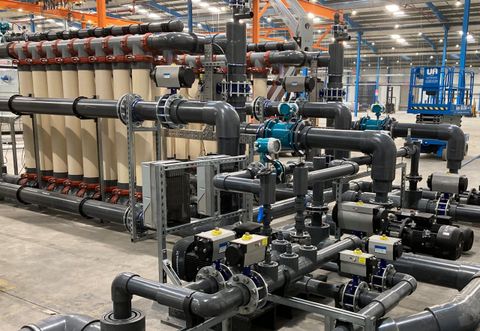
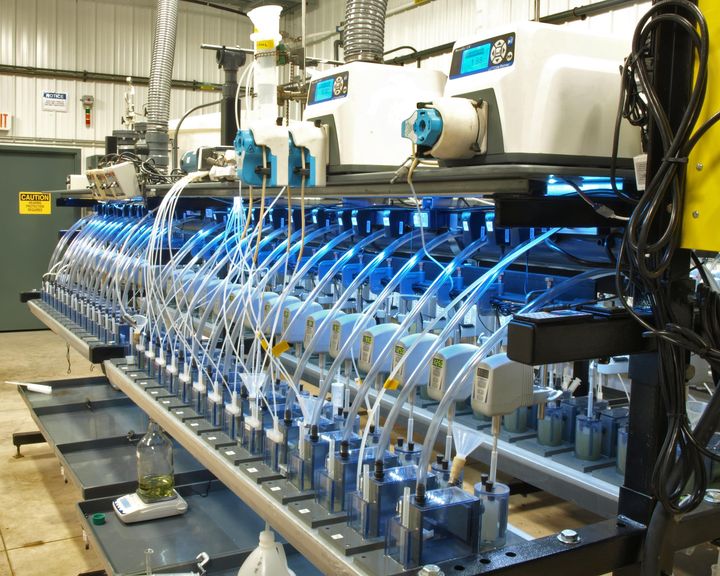
Battery hydrometallurgy equipment includes several interconnected systems. These may involve reactors, tanks, pumps, filters, separation units, purification systems, and crystallization equipment. Each component performs a specific task within the overall recovery process.
The exact equipment arrangement depends on the type of battery being processed, the desired recovered materials, and the chemical characteristics of the input material.
Importance of Battery Hydrometallurgy in Modern Industry
Battery hydrometallurgy is becoming increasingly important because battery materials are essential to electric mobility, renewable energy storage, and electronic devices. Recovering metals from used batteries can reduce dependence on newly mined raw materials and support a more circular manufacturing system.
Supporting Critical Mineral Recovery
Lithium, nickel, cobalt, manganese, and copper have important roles in battery production. Their recovery can help maintain a more reliable supply of materials for future manufacturing.
Hydrometallurgical recycling can also help separate metals that are mixed together in battery materials. The effectiveness of recovery depends on battery chemistry, feedstock quality, chemical conditions, and equipment performance.
Reducing Environmental Pressure
Mining and refining metals can affect land, water, energy use, and local ecosystems. Recovering metals from discarded batteries can reduce the need for some primary raw materials, although recycling itself also requires energy, water, chemicals, and waste management.
Well-designed equipment helps operators manage these requirements by supporting controlled chemical reactions, liquid circulation, solid separation, and wastewater treatment.
Improving Industrial Process Control
Modern battery recycling plants use monitoring systems to manage temperature, acidity, flow rates, and chemical concentrations. These measurements help operators maintain consistent processing conditions.
Key benefits of effective equipment design include:
More controlled metal extraction and purification.
Better separation of valuable metals from impurities.
Improved monitoring of chemical use and process performance.
Reduced loss of recoverable material during processing.
More consistent quality in recovered metal compounds.
Types of Battery Hydrometallurgy Equipment
Different machines perform different stages of the recycling process. The following equipment categories are commonly used in hydrometallurgical operations.
Equipment type | Main function | Typical application |
|---|---|---|
Leaching reactors | Transfer metals into liquid solutions | Dissolving metals from battery materials |
Mixing tanks | Blend solids, liquids, and reagents | Preparing slurries and process solutions |
Solid-liquid filtration units | Separate solids from liquids | Removing residues after leaching |
Solvent extraction systems | Separate selected dissolved metals | Purifying mixed metal solutions |
Precipitation reactors | Convert dissolved metals into solid compounds | Producing metal hydroxides or carbonates |
Ion exchange systems | Capture selected dissolved ions | Removing impurities or recovering specific metals |
Crystallizers | Form solid crystals from concentrated solutions | Recovering purified salts |
Wastewater treatment units | Treat process water and residual chemicals | Managing liquid waste streams |
Leaching Reactors and Mixing Tanks
Leaching reactors are central to battery hydrometallurgy. They bring prepared battery materials into contact with a suitable liquid reagent, allowing selected metals to dissolve.
Operators control factors such as temperature, acidity, mixing speed, reaction time, and the ratio of solids to liquid. The correct conditions depend on the material being treated and the metals targeted for recovery.
Mixing tanks support this process by maintaining an even distribution of solids and liquids. Agitators help prevent settling and improve contact between the battery material and the leaching solution.
Filtration and Solid-Liquid Separation Equipment
After leaching, the process mixture contains a liquid carrying dissolved metals and solid residues that may include graphite, plastics, or undissolved compounds.
Filtration equipment separates these materials. Depending on the process, plants may use filter presses, vacuum filters, membrane filtration systems, or centrifuges.
Effective separation is important because suspended particles can interfere with later purification stages. Proper filtration also helps retain useful metals in the liquid stream while directing solid residues to appropriate treatment.
Solvent Extraction and Ion Exchange Systems
Solvent extraction separates dissolved metals based on differences in their chemical behavior. A selected extractant transfers particular metal ions from one liquid phase into another. Additional stages can then separate the target metal from unwanted elements.
Ion exchange systems use materials that selectively capture ions from a solution. These systems may help remove impurities or concentrate specific metals.
Both technologies require careful selection of operating conditions and chemical materials. Their performance depends on solution composition, competing ions, temperature, and the intended purity of the recovered product.
Precipitation Reactors and Crystallizers
Precipitation equipment converts dissolved metals into solid compounds by adjusting chemical conditions. Operators may change pH or introduce a suitable reagent to form a solid that can be separated from the liquid.
Crystallizers perform a related but different task. They encourage dissolved compounds to form crystals through controlled changes in concentration, temperature, or other conditions.
These processes can produce intermediate materials or purified salts for further industrial processing. The resulting material must still meet the relevant specifications before it can be used in battery manufacturing.
How Battery Hydrometallurgy Technology Works
A hydrometallurgical recycling plant usually follows several connected stages. The sequence varies with battery type and facility design.
Battery collection and safe discharge
Batteries are identified, inspected, and handled using suitable safety procedures.
Mechanical preparation
Suitable batteries are dismantled or processed to separate useful material fractions.
Leaching and filtration
Target metals dissolve into a liquid, and remaining solids are separated.
Purification and metal separation
Extraction, ion exchange, or precipitation separates selected metals.
Product recovery and quality testing
Recovered compounds are filtered, crystallized where appropriate, and tested.
Monitoring and Automation
Sensors and automated controls can track temperature, pH, pressure, liquid flow, and tank levels. Process data helps operators identify changes that could affect recovery or product quality.
Automated dosing systems can also deliver measured quantities of reagents. However, automation does not remove the need for trained personnel, equipment inspections, and chemical safety procedures.
Choosing Suitable Equipment
Equipment selection should begin with the battery feedstock and the desired output. Important considerations include:
Battery chemistry, including lithium iron phosphate and nickel-manganese-cobalt chemistries.
Expected feed volume and variation in material composition.
Required metal purity and product form.
Resistance of tanks, pipes, and filters to corrosive chemicals.
Water use, wastewater treatment, and residue handling.
Process monitoring, maintenance access, and worker safety.
A process designed for one battery chemistry may not perform equally well with another. Testing representative feed material before finalizing a plant design can help identify separation challenges and establish suitable operating conditions.
Recent Updates in Battery Hydrometallurgy Technology
Battery recycling research continues to focus on better metal recovery, lower chemical consumption, and improved control over recovered material quality.
Developments During 2025 and 2026
In October 2025, a research review examined metal recovery from lithium-ion battery leachates, including selective precipitation, solvent extraction, and electrochemical approaches. These technologies are important because separating metals from complex liquid mixtures is a major challenge in battery recycling.
In July 2026, research published in Nature Reviews Materials examined closed-loop recycling approaches that aim to recover battery materials and use them to produce new cathode materials. The research also highlighted challenges involving impurities, material composition, and the quality of regenerated battery materials.
Selective metal recovery: Improving the separation of lithium, nickel, cobalt, and manganese.
Alternative leaching methods: Studying organic acids, bioleaching, and other approaches alongside conventional chemical processes.
Closed-loop recycling: Recovering materials that may be suitable for producing new battery components.
Digital process monitoring: Using sensors and process data to improve consistency and detect operating problems.
These developments do not guarantee a particular recovery rate. Actual results depend on feedstock, process design, operating conditions, and the quality standards required.
Laws and Policies Affecting Battery Recycling
Battery hydrometallurgy equipment must operate within the environmental, industrial safety, and waste management rules applicable to its location.
European Union Battery Regulation
The EU Batteries Regulation, Regulation (EU) 2023/1542, establishes requirements covering battery sustainability, collection, recycling efficiency, and material recovery.
On 11 September 2026, the European Commission reported that existing recycling efficiency and material recovery targets remained appropriate. Under the regulation, lithium recovery targets are 50% by the end of 2027 and 80% by the end of 2031. Targets for cobalt, copper, lead, and nickel are 90% by the end of 2027 and 95% by the end of 2031.
In India, the Battery Waste Management Rules, 2022, provide a framework for battery waste management and extended producer responsibility. Relevant amendments, registration requirements, and applicable environmental permissions should be checked before establishing or operating a recycling facility.
Depending on the process, facilities may also need to comply with rules governing hazardous waste, wastewater discharge, air emissions, and workplace safety. Requirements vary according to the battery category, chemicals used, and facility location.
Equipment planning should therefore include chemical containment, ventilation, emergency controls, effluent treatment, and appropriate handling of solid residues.
Tools and Resources for Equipment Planning
General technical resources can help engineers, researchers, and plant operators evaluate hydrometallurgical systems.
Process flow diagrams: Map each stage from feed preparation to recovered products.
Material balance calculators: Estimate how much material enters, leaves, and remains within a process.
Chemical compatibility charts: Help assess whether tanks, seals, pipes, and filters are suitable for process chemicals.
pH and temperature monitoring tools: Track important leaching and purification conditions.
Laboratory analysis methods: Measure metal concentrations, impurities, and recovered product quality.
Environmental assessment templates: Organize information about water use, emissions, chemical handling, and solid residues.
These resources support planning but do not replace engineering assessments, laboratory testing, or regulatory approval.
Frequently Asked Questions
What is battery hydrometallurgy equipment?
It is a group of industrial machines used to extract, separate, and purify metals from battery materials through liquid-based chemical processes.
Which metals can hydrometallurgical systems recover?
Depending on battery chemistry and process design, they can recover lithium, nickel, cobalt, manganese, and copper. Other materials may also be recovered through suitable process routes.
Is hydrometallurgy suitable for every battery type?
No. Different battery chemistries require different preparation and treatment methods. The process must be adapted to the materials present and the desired recovered products.
What factors affect metal recovery efficiency?
Important factors include feedstock composition, particle preparation, reagent selection, temperature, pH, reaction time, filtration performance, and purification conditions.
Why is wastewater treatment important?
Hydrometallurgical processes produce liquid streams that may contain dissolved metals, acids, salts, or other chemicals. Appropriate treatment helps control environmental risks and supports responsible water management.
Conclusion
Battery hydrometallurgy equipment is an important part of modern battery recycling. Reactors, filtration systems, extraction units, precipitation equipment, and crystallizers work together to recover and purify valuable metals from battery materials.