Automatic Roll Forming Machines: Technology and Process Overview
Automatic roll forming machines are industrial systems designed to transform flat metal strips into specific shapes through a continuous bending process. They are widely used in manufacturing industries that require long, uniform metal profiles with consistent dimensions.
The process uses a series of rotating rollers, often called forming rolls, to gradually bend metal into the desired shape. Instead of forming the entire profile in one operation, each roller station creates a small change until the material reaches its final design.
Common materials include steel, galvanized steel, stainless steel, and aluminum. The appropriate material depends on the required strength, corrosion resistance, thickness, and intended application.
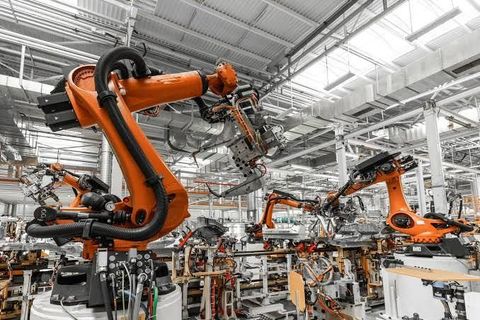
Traditional roll forming systems may require considerable manual adjustment and operator involvement. Automatic systems integrate powered rollers, programmable controls, sensors, and cutting mechanisms to coordinate production activities.
These machines can produce profiles such as roof panels, metal studs, cable trays, structural channels, door frames, and automotive reinforcement components.
The main purpose of automatic roll forming technology is to support repeatable production while maintaining dimensional consistency and reducing unnecessary manual handling.
Importance: Why Automatic Roll Forming Technology Matters
Manufacturing industries increasingly need components with consistent dimensions, reliable quality, and predictable production processes. Automatic roll forming machines help address these requirements, particularly when large quantities of similar metal profiles are needed.
Several industries benefit from this technology.
Construction: Produces roofing panels, wall framing components, structural channels, and metal cladding profiles.
Automotive manufacturing: Forms selected reinforcement parts, rails, brackets, and structural components.
Electrical equipment: Produces cable management channels, enclosures, and mounting sections.
Furniture manufacturing: Creates metal frames, rails, tracks, and supporting components.
Industrial equipment: Forms protective covers, machine frames, and specialized metal sections.
Automation also helps improve coordination between different production stages. A connected system may feed metal coils, straighten the material, form the profile, measure its length, and cut it according to programmed settings.
However, automation does not eliminate every production challenge. Material variation, incorrect machine settings, worn rollers, and poor maintenance can still affect product quality.
The technology is most effective when operators understand material behavior, machine limitations, and the relationship between roller design and the finished profile.
How Automatic Roll Forming Machines Work
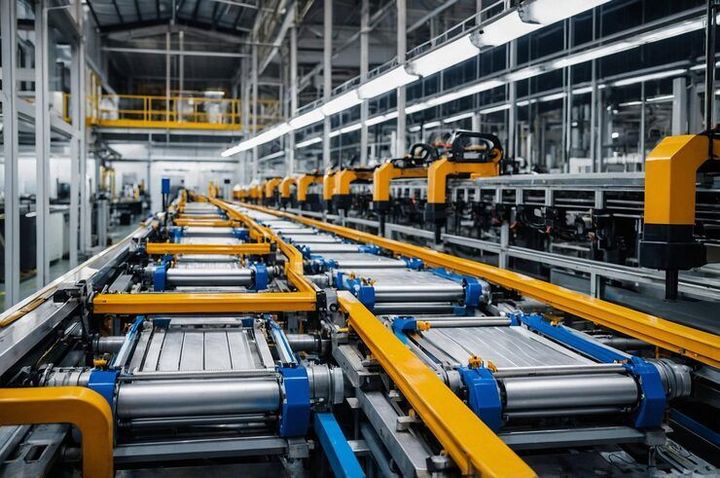
An automatic roll forming line typically contains several connected units. The exact arrangement depends on the material, profile geometry, production requirements, and machine configuration.
Coil loading and feeding
The process begins with a coil of metal sheet or strip. A decoiler holds the coil and releases material into the production line. Feeding equipment controls how the strip enters the machine.
Correct alignment is important because an uneven feed can create twisting, inaccurate dimensions, or edge deformation.
Straightening and guiding
The metal may pass through a straightening unit that reduces unwanted coil curvature. Guide rollers then align the strip before it enters the forming stations.
These stages help prepare the material for controlled bending.
Progressive roll forming
The strip moves through a series of roller stations. Each station gradually changes its shape without requiring a complete bend in one step.
Roller geometry, spacing, material thickness, and forming speed influence the final result. Engineers must design the roller sequence carefully to reduce excessive stress and unwanted deformation.
Automatic cutting
Once the required profile length is reached, an integrated cutting system separates the finished section. Depending on the design, cutting can occur while the material is moving or after it pauses.
Cutting accuracy depends on machine synchronization, measurement settings, tooling condition, and material movement.
Inspection and collection
Finished profiles are checked for dimensions, shape, surface condition, and other relevant quality requirements. Products may then be stacked, bundled, or transferred to another manufacturing stage.
Main Components and Their Functions
| Component | Primary function |
|---|---|
| Decoiler | Holds and releases the metal coil |
| Feeding system | Controls material movement |
| Straightening unit | Reduces coil curvature |
| Forming rollers | Gradually shape the metal strip |
| Drive system | Powers the forming process |
| Programmable controller | Coordinates machine operations |
| Cutting unit | Separates profiles at the required length |
| Sensors and measuring devices | Monitor selected operating conditions |
| Safety guards | Help protect operators from moving components |
Not every machine includes all these components. Some systems also use punching units, hydraulic equipment, automatic stacking mechanisms, or additional inspection devices.
Recent Updates and Manufacturing Trends in 2025–2026
Automatic roll forming technology continues to develop alongside broader changes in industrial automation. The following trends are relevant to manufacturers evaluating modern production systems.
Greater integration of digital controls
Programmable logic controllers and human-machine interfaces allow operators to manage production settings through structured control panels. Recipe-based settings can help standardize repeat orders and reduce setup variation.
Connected manufacturing equipment
Industrial sensors and communication systems increasingly support the collection of production information. Depending on the equipment, manufacturers may monitor operating speed, machine status, material movement, and selected fault conditions.
These capabilities can help maintenance teams identify recurring problems and understand production interruptions.
Data-assisted maintenance
Condition monitoring can help identify unusual vibration, temperature changes, or other signs of developing equipment problems. Such systems support maintenance planning, although their effectiveness depends on sensor quality, suitable thresholds, and correct interpretation.
Flexible production requirements
Manufacturers increasingly work with different profile designs, material grades, and thicknesses. Adjustable tooling and programmable controls can support changeovers, but each profile may still require suitable tooling, validation, and setup work.
Energy and material efficiency
Manufacturers are paying closer attention to scrap generation, unnecessary machine movement, compressed-air consumption, and overall energy use. Efficient process planning can reduce waste, although actual results vary by machine design and operating conditions.
These are continuing industry trends rather than claims that every manufacturer introduced a specific new feature during 2026. Equipment capabilities should be assessed individually.
Laws, Regulations, and Safety Policies
Automatic roll forming machines must be operated within the safety and manufacturing requirements applicable to their location and intended use. Regulations differ by country, industry, and machine configuration.
In India, several regulatory areas may be relevant.
Factory and workplace safety
The Factories Act, 1948, has historically provided a framework for factory health, safety, and welfare, alongside applicable state rules. India has also enacted the Occupational Safety, Health and Working Conditions Code, 2020. The applicable legal framework and commencement provisions should be checked against current official notifications and relevant state requirements.
Employers and factory operators should verify their current obligations rather than assuming that one set of requirements applies universally.
Machinery guarding
Moving rollers, transmission parts, cutting tools, and feeding mechanisms can create crushing, drawing-in, and cutting hazards. Appropriate guards, emergency stopping arrangements, maintenance procedures, and operator training are important elements of risk control.
Electrical safety
Control panels, motors, wiring, and electrical isolation arrangements should meet applicable electrical safety requirements. Maintenance personnel need suitable procedures to prevent unexpected machine startup.
International standards
ISO 12100 provides general principles for machinery risk assessment and risk reduction. ISO 13850 addresses emergency stop functions, while ISO 13849-1 concerns safety-related parts of control systems.
These standards can support machine design and safety evaluation. Their legal status depends on the applicable jurisdiction, contractual requirements, and regulatory framework.
Manufacturers should also maintain relevant operating instructions, inspection records, maintenance documentation, and training records where required.
Tools and Resources for Better Production Planning
Several general tools can help engineers and production teams plan automatic roll forming operations more effectively.
CAD software: Helps develop profile drawings, dimensions, and roller design concepts.
Engineering simulation tools: Support analysis of bending behavior, stress distribution, and potential deformation.
Production monitoring dashboards: Display machine status, operating time, interruptions, and selected production measurements.
Dimensional inspection instruments: Calipers, micrometers, gauges, and profile templates help verify product measurements.
Maintenance checklists: Organize inspections of bearings, rollers, lubrication points, fasteners, guards, and drive components.
Material calculation spreadsheets: Help estimate strip dimensions, material usage, profile length, and expected scrap.
Risk assessment templates: Help document machine hazards, existing controls, and additional safety measures.
Operator training materials: Explain startup procedures, changeovers, emergency stops, inspection routines, and shutdown practices.
A practical production checklist should cover incoming material, roller alignment, tooling condition, programmed dimensions, safety devices, and first-piece inspection.
Measurements should be recorded consistently so that operators can identify patterns and investigate defects before they affect larger production batches.
Frequently Asked Questions
What is an automatic roll forming machine?
It is a manufacturing system that progressively bends continuous metal strips through rotating rollers to create consistent profiles. Automated controls coordinate feeding, forming, measuring, and cutting operations.
Which materials can these machines process?
Common materials include mild steel, galvanized steel, stainless steel, and aluminum. The suitable material and thickness depend on machine capacity, roller design, profile geometry, and required product properties.
What industries use automatic roll forming machines?
Construction, automotive manufacturing, electrical equipment production, furniture manufacturing, and industrial equipment manufacturing are common application areas.
How does automation improve production consistency?
Programmable controls, synchronized feeding, repeatable settings, and measurement systems can reduce variation caused by inconsistent manual adjustments. Regular maintenance and quality inspections remain necessary.
What safety precautions are important during operation?
Operators should use appropriate guards, follow approved operating procedures, keep clear of moving rollers, understand emergency stops, and isolate hazardous energy before maintenance. Only trained personnel should perform machine adjustments and repairs.
Conclusion
Automatic roll forming machines play an important role in modern metal manufacturing by converting continuous metal strips into accurately shaped profiles. Their progressive bending process supports repeatable production across construction, automotive, electrical, and other industrial applications.