Carding Machines: A Complete Guide to Textile Processing, Technology, and Applications
Carding machines are industrial textile machines used to process loose fibers before spinning. They transform tangled fiber material into a more organized form that can be used in later manufacturing stages. The process is commonly called carding and is an important part of preparing fibers for yarn production.
Textile fibers often arrive in compressed or tangled forms after harvesting or earlier processing stages. Cotton fibers, wool, and many man-made fibers need suitable preparation before they can be converted into yarn. Carding helps make these fibers easier to handle during later manufacturing operations.
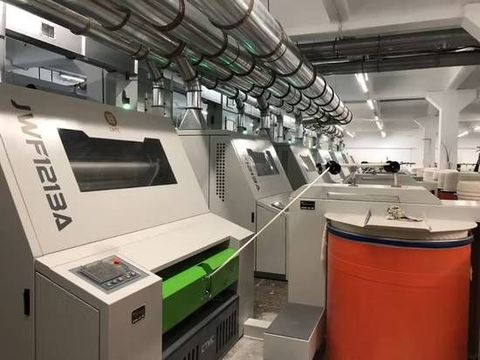
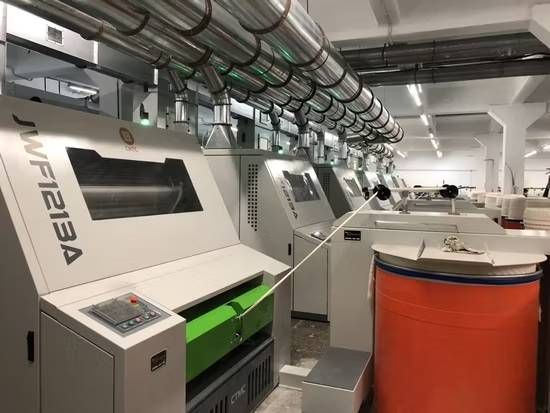
The carding process usually takes place after opening and cleaning. Fibers pass through rotating rollers covered with fine wire teeth or specialized clothing. These surfaces gently separate the fibers and distribute them across the working width of the machine.
The resulting material is commonly collected as a thin fiber web and then condensed into a continuous strand called a sliver. The sliver moves to subsequent processes, such as drawing and spinning.
Background and Development of Carding Technology
Early carding methods relied on handheld tools with rows of small metal teeth. These tools allowed workers to separate and prepare fibers before spinning them manually.
As textile production expanded during industrialization, mechanical carding equipment improved the speed and consistency of fiber preparation. Modern systems use precisely engineered rollers, controlled feeding mechanisms, sensors, and automated monitoring.
Today, carding technology is used in cotton spinning, wool processing, synthetic fiber production, and selected nonwoven manufacturing applications. Machine design varies according to fiber length, material characteristics, production requirements, and the intended final product.
Importance of Carding Machines in Modern Textile Production
Improving Fiber Separation and Alignment
Carding is important because poorly prepared fibers can create problems during spinning and fabric production. Tangled fibers and uneven material distribution may contribute to irregular yarn, fiber breakage, and inconsistent fabric characteristics.
Carding machines help improve fiber separation and orientation. Although they do not align every fiber perfectly, they create a more manageable material structure for the next manufacturing stages.
Key benefits include:
Separating fiber tufts into smaller groups and individual fibers.
Removing some dust, seed fragments, and other remaining impurities.
Improving the distribution of fibers across the working width.
Creating a more uniform web or sliver for subsequent processing.
Supporting consistent operation in automated textile production lines.
Supporting Textile Quality Control
Fiber preparation influences several important textile characteristics. The quality of carded material can affect yarn evenness, fiber waste, production stability, and the appearance of finished fabrics.
Manufacturers monitor factors such as sliver weight variation, fiber breakage, neps, and contamination. Neps are small knots or entanglements of fibers that may remain in the processed material.
Carding cannot eliminate every defect, and the final results also depend on raw material quality, machine settings, maintenance, and downstream processes.
Industries That Use Carding Technology
Carding machines support a wide range of textile manufacturing activities.
Industry | Main application |
|---|---|
Cotton spinning | Preparing cotton fibers for yarn production |
Wool processing | Separating and arranging wool fibers |
Synthetic textiles | Processing suitable man-made staple fibers |
Nonwoven manufacturing | Preparing fiber webs for selected materials |
Home textiles | Preparing fibers used in bedding and related products |
Technical textiles | Processing fibers for selected industrial materials |
The equipment selected for each application depends on the fiber type, required output, and properties of the final material.
How Carding Machines Work
Main Stages of the Carding Process
Carding machines operate through a series of mechanical actions that prepare fibers for further processing. The exact arrangement depends on the machine design and the material being processed.Important Components of a Carding Machine
Several components work together to control fiber movement and processing quality.
Feed system: Introduces fibers into the machine at a controlled rate.
Licker-in roller: Helps open fiber tufts and remove some impurities.
Main cylinder: Carries card clothing that separates and distributes fibers.
Flat system: Works with the cylinder to improve fiber separation and remove selected short fibers and neps.
Doffer: Transfers fibers from the main cylinder to form a web.
Sliver formation system: Condenses the web into a continuous strand.
Control system: Monitors selected operating conditions and supports machine adjustments.
Correct component alignment, suitable settings, and regular maintenance are important for reliable operation.
Types of Carding Machines Used in Textile Processing
Cotton Carding Machines
Cotton carding machines prepare cotton fibers for yarn production. They are designed to separate fiber tufts, remove selected impurities, and produce a uniform sliver.
Their performance depends on cotton quality, fiber length, moisture conditions, and machine settings.
Wool Carding Machines
Wool carding equipment is designed around the characteristics of wool fibers. Depending on the production method, it may prepare wool for woollen or worsted processing routes.
These systems help separate fibers and create material suitable for later spinning operations.
Synthetic Fiber Carding Machines
Synthetic staple fibers, including polyester and certain other man-made fibers, can be processed using appropriately configured carding systems. Machine settings must account for fiber length, friction, static electricity, and material behavior.
Nonwoven Carding Machines
Nonwoven carding systems create fiber webs used in products such as filtration media, insulation, hygiene materials, and selected technical fabrics. The web may proceed to bonding processes rather than conventional yarn spinning.
Recent Developments in Carding Technology
Automation and Digital Monitoring
Modern textile machinery increasingly uses electronic controls, sensors, and automated monitoring to improve process consistency. In carding operations, these technologies can help operators observe production conditions and identify irregularities.
Common developments include:
Sensors that monitor material flow and selected machine conditions.
Automated adjustments to maintain more consistent feeding.
Digital records of production and maintenance activity.
Condition monitoring to identify unusual vibration or temperature.
Improved operator interfaces for machine settings and diagnostics.
These capabilities vary between machines, and automation does not eliminate the need for skilled operators.
Energy Efficiency and Fiber Waste Reduction
Manufacturers are paying greater attention to energy consumption, material utilization, and waste management. Improved roller design, suitable operating speeds, and preventive maintenance can help reduce unnecessary energy use and fiber losses.
Waste reduction must be balanced with fiber quality. Excessively aggressive processing may damage fibers, while unsuitable settings can leave more impurities or fiber clusters in the output.
Textile Industry Developments During 2025–2026
In 2025, textile machinery industry reporting continued to show different investment patterns across spinning, weaving, knitting, and finishing equipment. These figures describe wider machinery markets rather than carding machines alone.
For carding machine operators and manufacturers, the broader direction is toward better process monitoring, machine safety, dependable fiber preparation, and improved resource efficiency. Specific technical improvements should be assessed against verified machine specifications rather than assumed to apply to every model.
Laws, Policies, and Safety Requirements in India
Factory Safety and Machine Protection
Textile factories must consider the applicable occupational safety, machinery guarding, electrical safety, and workplace requirements. Relevant provisions may depend on the state, factory type, equipment, and legal framework in force.
India's factory safety framework has historically included requirements for guarding dangerous moving parts, safe machine operation, and protection against workplace hazards. Textile machinery rules have also addressed specific risks associated with moving equipment.
Installing guards around exposed rollers, belts, gears, and other dangerous moving parts.
Providing accessible emergency stopping controls.
Isolating electrical and mechanical power before maintenance.
Training operators to recognize entanglement and crushing hazards.
Managing textile dust through suitable extraction and housekeeping.
Following documented inspection and maintenance procedures.
Machinery Standards and Quality Control
India's Ministry of Heavy Industries has published orders and amendments relating to machinery and electrical equipment safety. Their applicability depends on the equipment category and the order's current legal status. The government recorded a withdrawal of the 2024 omnibus regulation on January 16, 2026, so businesses should verify the latest applicable notification instead of assuming that an earlier requirement remains active.
Environmental and Workplace Considerations
Carding operations can generate airborne fiber particles and dust. Factories should assess ventilation, dust extraction, housekeeping, and worker exposure according to applicable requirements.
Environmental rules may also apply to waste handling and emissions from the wider textile facility. The specific requirements depend on the processes performed at the site.
Tools and Resources for Carding Machine Operations
Several general-purpose tools can help textile teams monitor production, improve quality, and plan maintenance.
Tool or resource | Main purpose |
|---|---|
Sliver weight calculator | Estimates linear density and helps compare measured output with target values |
Production monitoring software | Records output, downtime, and operating conditions |
Quality inspection instruments | Measures sliver uniformity and identifies selected fiber defects |
Energy monitoring equipment | Tracks electrical consumption during operation |
Preventive maintenance checklist | Organizes inspections, cleaning, lubrication, and component replacement |
Dust monitoring equipment | Helps assess airborne particles in the working environment |
Operator training manuals | Explain machine controls, safe procedures, and troubleshooting |
A basic sliver monitoring record can include the date, machine identification, fiber type, target sliver weight, measured values, production interruptions, and corrective actions.
For example, if sliver weight varies repeatedly, the operator can check feeding consistency, machine settings, and measurement procedures before changing operating parameters. Any adjustment should follow the equipment manufacturer's instructions.
Frequently Asked Questions
What is the main purpose of a carding machine?
Its main purpose is to separate and distribute textile fibers, remove some remaining impurities, and form a relatively uniform web or sliver for subsequent processing.
Which fibers can be processed by carding machines?
Depending on the equipment design, carding machines can process cotton, wool, suitable synthetic staple fibers, and blends. Specialized systems also prepare fiber webs for nonwoven manufacturing.
What is the difference between carding and combing?
Carding separates and distributes fibers while removing selected impurities and fiber entanglements. Combing is an additional process used in certain spinning systems to remove more short fibers and improve fiber alignment.
How does machine maintenance affect carding quality?
Worn card clothing, incorrect settings, poor alignment, and dust accumulation can affect fiber separation and output consistency. Regular inspections and timely maintenance help maintain reliable performance.
What factors should be considered when selecting a carding machine?
Important factors include fiber type, required production capacity, sliver quality targets, automation features, energy use, maintenance needs, machine safety, and compatibility with downstream equipment.
Conclusion
Carding machines play a central role in preparing fibers for modern textile manufacturing. By separating fiber clusters, removing selected impurities, and producing a uniform web or sliver, they support the quality and consistency of later spinning and nonwoven processes.