Plastic Recycling Machines: Explore New Trends in Recycling Technology
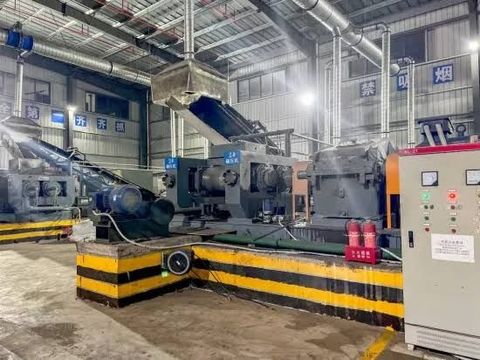
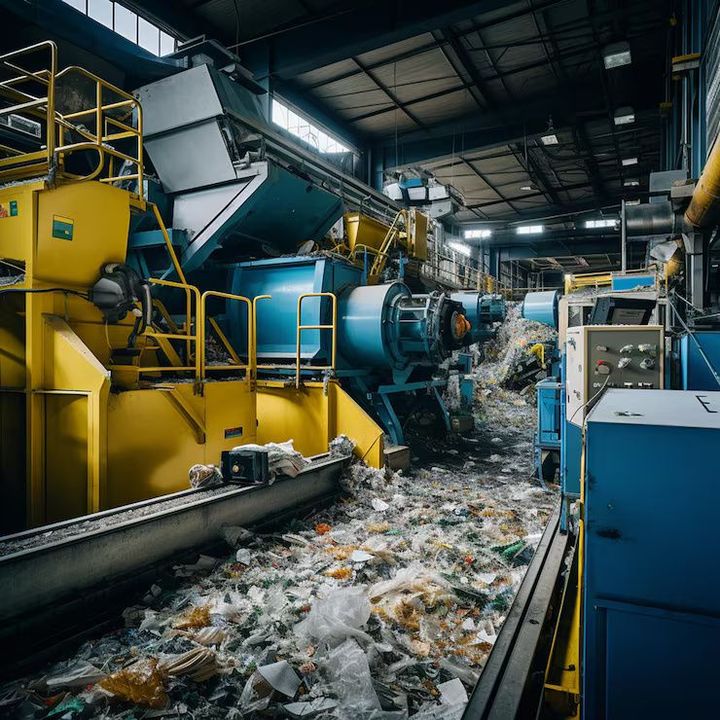
Plastic recycling machines are industrial systems designed to process discarded plastic into usable recycled material. Depending on the plastic type and contamination level, the equipment may sort, shred, wash, dry, melt, filter, pelletize, or otherwise process plastic waste.
The basic purpose of these machines is to recover material that might otherwise enter landfills, be burned, or escape into the environment. Mechanical recycling remains the most established approach and commonly involves sorting, cleaning, shredding, melting, and reprocessing plastic without changing its fundamental chemical structure.
A typical plastic recycling line can include several connected machines:
- Sorting and separation equipment
- Plastic shredders and granulators
- Washing systems
- Dewatering and drying equipment
- Extruders and melt filters
- Pelletizing systems
- Optical or sensor-based sorting equipment
- Material handling and storage systems
Different plastics require different processing conditions. PET bottles, HDPE containers, polypropylene products, films, rigid plastics, and multilayer materials can behave differently during recycling.
Modern plastic recycling technology is therefore moving beyond basic size reduction. Manufacturers and researchers are focusing on better identification, contamination control, material recovery, automation, energy efficiency, and processes that can handle difficult waste streams.
Importance
Plastic waste management has become an important environmental and industrial issue because plastic products are used across packaging, construction, transportation, electronics, healthcare, agriculture, and consumer goods.
Recycling equipment can help recover materials from these waste streams and return suitable plastics to manufacturing processes.
The quality of incoming material is particularly important. Food residue, labels, adhesives, pigments, additives, moisture, mixed polymers, and other contaminants can affect the quality of recycled output.
For this reason, modern recycling systems increasingly combine multiple stages instead of relying on a single machine.
Improved sorting and identification
Advanced sorting systems can distinguish materials according to characteristics such as polymer type, color, shape, and other detectable properties. Better separation can improve the consistency of material entering later processing stages.
Better contamination management
Washing, drying, filtration, and melt purification technologies can reduce unwanted material. This is particularly important when recycled plastic needs consistent physical properties.
Support for circular manufacturing
Recycling technology is increasingly connected with the broader circular economy. Instead of treating plastic waste only as a disposal problem, recycling systems aim to recover useful material and keep it within productive material cycles.
Recent research continues to examine both established mechanical recycling and newer chemical approaches. A 2026 review found that mechanical recycling has comparatively high technological maturity, while selective chemical recycling remains at a lower technology-readiness level but has potential for specific applications.
Recent Updates
Plastic recycling technology has developed rapidly during 2025 and 2026, with greater attention on automation, advanced separation, chemical recycling, recycled-content verification, and the processing of difficult plastic waste.
A September 2026 scientific review highlighted advances in mechanical and chemical recycling, including catalytic depolymerization, solvolysis, dynamic compatibilization, and approaches intended to make mixed plastic streams easier to process.
Another 2026 review emphasized that recycling technologies need to be evaluated alongside collection systems, infrastructure, environmental performance, and regulatory frameworks. Technology alone does not guarantee effective plastic waste management.
Advanced recycling is also receiving increased attention. These processes can use thermal or chemical treatments to transform polymer structures into feedstocks, monomers, or other materials. Such methods may complement mechanical recycling when particular waste streams are difficult to process mechanically.
Sensor-based sorting is another important trend. Optical and other automated identification technologies can improve separation accuracy and reduce dependence on manual sorting.
Artificial intelligence is also being explored for automated material recognition, quality monitoring, predictive maintenance, and process optimization. These applications are intended to help recycling facilities respond to variations in incoming waste.
In June 2026, the European Commission adopted rules establishing a methodology for calculating, verifying, and reporting chemically recycled content in single-use PET beverage bottles. The measure is intended to improve transparency around recycled content from different recycling technologies.
These developments show that plastic recycling is moving toward integrated systems combining physical processing, digital monitoring, improved material identification, and more specialized recycling pathways.
Laws or Policies
In India, plastic recycling is influenced by the Plastic Waste Management Rules, 2016, together with subsequent amendments and Extended Producer Responsibility requirements.
The Ministry of Environment, Forest and Climate Change lists amendments issued in 2018, 2021, 2022, and 2023 as part of the development of India's plastic waste management framework.
The Plastic Waste Management (Amendment) Rules, 2024, notified on 14 March 2024, introduced further changes. Government reporting describes measures involving online reporting, EPR certificate mechanisms, and obligations concerning plastic raw materials and plastic packaging.
India's EPR framework is important for plastic recycling because it connects the quantity of plastic packaging introduced into the market with responsibilities for collection, recycling, reuse, and recycled content.
The country's regulatory approach also includes restrictions on identified single-use plastic items and requirements relating to plastic packaging. Government reporting for 2025–26 states that numerous states and Union Territories have introduced additional measures concerning plastic carry bags and identified single-use plastic products.
For recycling equipment operators, compliance can involve several areas:
- Registration and reporting requirements
- Authorized plastic waste processing
- EPR-related documentation
- Material tracking
- Pollution-control requirements
- Proper handling of processing residues
- Applicable state-level environmental rules
Rules can change, so businesses and organizations should verify current requirements with the relevant central and state environmental authorities before making operational decisions.
Tools and Resources
Several types of tools can help users understand, plan, or monitor plastic recycling processes.
Plastic identification tools can help distinguish common polymers such as PET, HDPE, LDPE, PP, PVC, and PS.
Material flow calculators can estimate quantities entering different stages of a recycling process, including sorting losses, washing losses, and recovered material.
Moisture measurement equipment is useful because excessive moisture can affect extrusion and pelletizing processes.
Melt-flow testing tools can help evaluate the flow characteristics of thermoplastic materials and compare recycled batches.
Energy monitoring systems can track electricity consumption across shredders, washing equipment, extruders, pumps, dryers, and other equipment.
Maintenance templates can help operators record inspection dates, machine operating hours, filter changes, lubrication requirements, and component conditions.
Lifecycle assessment tools can help compare environmental impacts across different recycling pathways, although results depend strongly on assumptions and input data.
A useful recycling-machine evaluation checklist can include:
| Evaluation Area | Key Question |
|---|---|
| Feedstock | What plastic types can be processed? |
| Sorting | How is mixed material separated? |
| Cleaning | What contamination can be removed? |
| Moisture | How is residual water controlled? |
| Extrusion | How is melt quality monitored? |
| Filtration | How are unwanted particles removed? |
| Automation | Which stages can be automatically monitored? |
| Output | What characteristics should recycled material meet? |
FAQs
What are plastic recycling machines used for?
Plastic recycling machines process discarded plastic through stages such as sorting, shredding, washing, drying, extrusion, filtration, and pelletizing. The exact equipment depends on the type and condition of the plastic.
Which plastics can be recycled mechanically?
Many thermoplastics, including PET, HDPE, LDPE, and PP, can be processed through mechanical recycling when suitable collection, sorting, cleaning, and processing systems are available. Not every plastic product is equally suitable for mechanical recycling.
What is the difference between mechanical and chemical recycling?
Mechanical recycling generally processes plastic through physical operations such as sorting, washing, shredding, melting, and extrusion. Chemical recycling uses chemical or thermal processes that can break polymer structures into feedstocks or other chemical outputs.
Why is sorting important in plastic recycling?
Different polymers have different melting behavior and physical properties. Accurate sorting helps prevent incompatible materials from entering the same processing stream and can improve the consistency of recycled output.
Is automation becoming more important in recycling plants?
Yes. Automated sorting, sensors, process monitoring, and data systems are increasingly being incorporated into modern recycling operations. These technologies can help monitor material quality and improve process consistency, although their effectiveness depends on appropriate system design and input material quality.
Conclusion
Plastic recycling machines are evolving from basic shredding and melting equipment into integrated processing systems that combine sorting, washing, drying, extrusion, filtration, automation, and digital monitoring.