Silicone Rubber Processing Machines: Manufacturing Technology Explained
Silicone rubber is a flexible polymer known for its resistance to heat, moisture, chemicals, weathering, and aging. These characteristics make it useful in products that must perform reliably across different temperatures and operating environments.
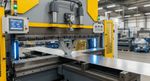
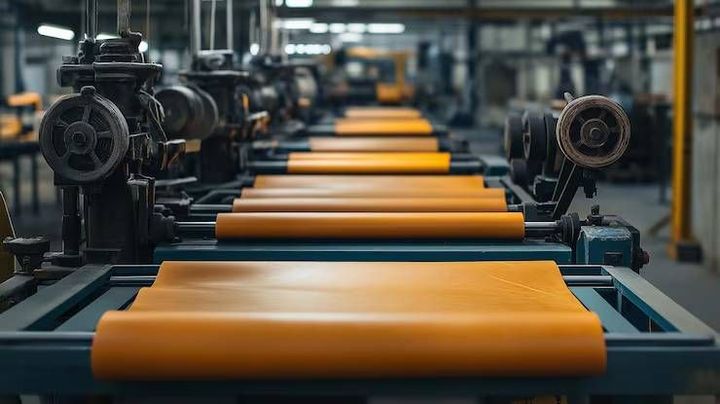
Silicone rubber processing machines are designed to transform silicone compounds into consistent finished shapes. Depending on the material and product, processing can involve mixing, extrusion, compression molding, injection molding, liquid silicone rubber processing, curing, trimming, and inspection.
The machines used in these processes vary considerably. A simple rubber mixing system has a different function from a fully automated silicone injection molding machine. However, all of them have the same general purpose: controlling material flow, temperature, pressure, timing, and forming conditions.
Common machine categories include:
- Silicone rubber mixing machines
- Internal mixers and kneaders
- Two-roll mills
- Silicone extrusion machines
- Compression molding machines
- Silicone injection molding machines
- Liquid silicone rubber processing systems
- Vulcanizing and curing equipment
- Automatic trimming and finishing equipment
- Material feeding and dosing systems
The overall manufacturing sequence usually begins with material preparation. The silicone compound is then mixed or conditioned before being formed into the required shape. Heat, pressure, or chemical curing mechanisms are used to develop the final properties.
This controlled approach helps manufacturers produce seals, gaskets, tubes, sheets, molded components, medical-related parts, electrical insulation components, and many other silicone-based products.
Why Silicone Processing Technology Matters Today
Silicone rubber processing has become important because modern products often require materials that can tolerate demanding environmental conditions.
For example, automotive components may experience heat, vibration, moisture, and exposure to chemicals. Electrical components may require insulation and dimensional stability. Medical and laboratory applications may require carefully controlled materials and manufacturing conditions.
Processing machines help address these requirements by controlling important production variables.
Consistent Material Processing
Silicone compounds can behave differently depending on temperature, formulation, curing system, and processing conditions. Modern equipment helps maintain more consistent operating conditions throughout production.
Accurate Product Dimensions
Products such as seals and gaskets often need controlled dimensions to perform correctly. Molding and extrusion equipment can help maintain repeatable shapes when the process is properly designed and monitored.
Better Process Control
Digital controls, sensors, programmable systems, and automated monitoring have become increasingly common in industrial rubber processing.
Important parameters may include:
- Temperature
- Pressure
- Injection speed
- Screw speed
- Curing time
- Material quantity
- Mold temperature
- Cooling conditions
- Cycle time
Monitoring these variables can help identify process deviations before they result in large quantities of inconsistent products.
Wide Industrial Applications
Silicone processing technology supports several industries, including:
| Industry | Typical Silicone Applications |
|---|---|
| Automotive | Seals, hoses, gaskets and insulation |
| Electronics | Insulation, connectors and protective components |
| Healthcare | Tubes, seals and specialized molded parts |
| Food-related manufacturing | Selected food-contact components |
| Construction | Sealants, gaskets and weather-resistant components |
| Consumer Products | Flexible molded components and household products |
| Industrial Equipment | Seals, diaphragms and vibration-related parts |
The exact material grade and processing method must always match the intended application.
Recent Developments in Silicone Rubber Processing
During 2025 and 2026, several broader manufacturing trends have influenced silicone rubber processing technology.
Greater Use of Automation
Manufacturing equipment is increasingly incorporating programmable controls, sensors, automatic material handling, and process monitoring.
Automation can help maintain repeatable processing conditions and reduce dependence on manual adjustments. It also makes it easier to record production parameters for quality analysis.
Growth of Digital Process Monitoring
Digital manufacturing systems increasingly collect information from temperature sensors, pressure sensors, machine controllers, and other measurement devices.
This data can be used to identify variations in production and support preventive maintenance planning.
More Attention to Energy Efficiency
Manufacturers are also examining energy use during heating, curing, cooling, and machine operation. More efficient temperature control and improved machine design can reduce unnecessary energy consumption.
Energy efficiency is particularly relevant to rubber processing because many processes require controlled heating for curing or forming.
Integration of Quality Inspection
Automated inspection technologies are becoming more useful for identifying dimensional defects, surface irregularities, incomplete filling, flash, and other production issues.
Vision-based inspection and digital measurement systems can be integrated with production workflows where appropriate.
Preparing for Updated Machinery Rules
The European Union's Machinery Regulation, Regulation (EU) 2023/1230, is scheduled to apply from 20 January 2027. The regulation establishes health and safety requirements for machinery and related products and includes requirements concerning technical documentation and conformity assessment.
This makes machinery safety documentation and risk assessment increasingly important for equipment intended for relevant European applications.
Laws, Regulations, and Manufacturing Policies
Silicone rubber processing machines can be affected by several types of regulations. The exact requirements depend on the country, machine type, material, and final application.
Machinery Safety
Machine manufacturers and industrial users generally need to consider guarding, emergency controls, electrical safety, operating instructions, risk assessment, and safe maintenance procedures.
In the European Union, Regulation (EU) 2023/1230 will replace the Machinery Directive framework for products within its scope from 20 January 2027. The regulation includes essential health and safety requirements and technical documentation obligations.
Food-Contact Applications
Silicone products intended for food-contact applications may face additional material and chemical requirements.
In the United States, the Food and Drug Administration maintains an inventory of food-contact substances and identifies authorized uses and conditions under relevant provisions of Title 21 of the Code of Federal Regulations. Silicone-related materials can appear under specific provisions, including 21 CFR 177.2600, but authorization depends on the intended use and applicable conditions.
The European Union is also working on revisions to its broader food-contact-material framework.
Therefore, a silicone component intended for food contact should not be treated in the same way as a general industrial component.
Workplace Safety
Industrial facilities may also need to follow national occupational safety requirements covering machine guarding, electrical systems, worker training, hazardous materials, ventilation, and emergency procedures.
Because regulations differ between countries, manufacturers should consult the applicable national legislation and technical standards before introducing or modifying processing equipment.
Tools and Resources for Silicone Processing
Several general tools can help engineers, technicians, students, and manufacturing teams understand silicone processing.
Material Data Sheets
Technical material documents can provide information about:
- Recommended processing temperatures
- Curing conditions
- Hardness
- Mechanical properties
- Chemical resistance
- Temperature ranges
- Storage conditions
Process Calculators
Engineering calculators can help with basic calculations involving:
- Pressure
- Volume
- Temperature
- Material quantity
- Production cycle time
- Machine throughput
- Energy consumption
These calculations should be checked against actual machine specifications and material requirements.
CAD and Mold Design Software
Computer-aided design tools are commonly used to develop product geometry and mold concepts. They can help identify issues related to dimensions, draft angles, wall thickness, and part design before physical production.
Process Monitoring Templates
Simple digital or spreadsheet templates can record:
- Batch information
- Machine settings
- Mold temperature
- Processing time
- Inspection results
- Material information
- Production observations
Maintaining organized records can make process analysis easier.
Technical Standards and Regulatory Databases
Government regulatory databases, machinery safety documents, material standards, and industry technical publications can help users understand the requirements relevant to a specific application.
Frequently Asked Questions
What are silicone rubber processing machines?
They are industrial machines used to mix, form, mold, extrude, cure, or finish silicone rubber materials. The equipment selected depends on the silicone formulation and final product.
Which machines are commonly used for silicone rubber?
Common equipment includes mixers, kneaders, two-roll mills, extrusion machines, compression molding machines, injection molding systems, curing equipment, and finishing systems.
What is the difference between silicone injection molding and compression molding?
Injection molding introduces prepared silicone material into a mold under controlled conditions. Compression molding generally places material into a mold and uses pressure and heat to form and cure it. The appropriate process depends on product design, material type, production requirements, and process parameters.
Why is temperature control important?
Temperature influences material flow, curing, cycle behavior, and final product properties. Poor temperature control can contribute to incomplete curing, dimensional variation, surface problems, or other quality issues.
Are silicone processing machines regulated?
Yes, machinery can be subject to safety, electrical, environmental, workplace, and application-specific regulations. Requirements vary by country and by the intended use of the machine and finished product.
Conclusion
Silicone rubber processing machines play an important role in modern polymer manufacturing. They provide controlled methods for mixing, forming, molding, curing, and finishing silicone materials used across many industries.