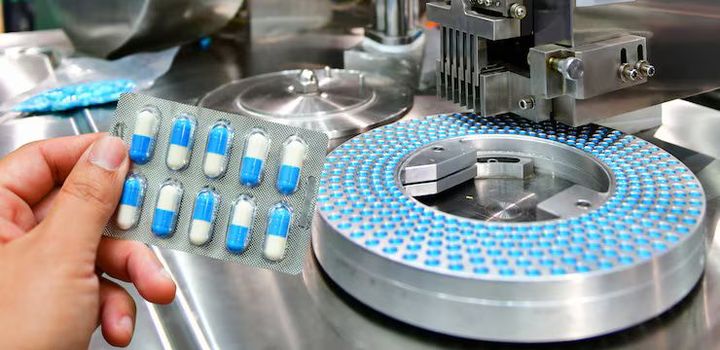
Capsule Making Machine Technology Trends and Innovations
Capsule making machine technology refers to the equipment and systems used to manufacture pharmaceutical, nutraceutical, herbal, and healthcare capsules. These machines help create capsules in a consistent and controlled manner, ensuring accuracy, hygiene, and quality throughout the production process.
Capsules have become one of the most widely used dosage forms because they are easy to consume, convenient to package, and suitable for a wide variety of formulations. As demand for medicines and health supplements continues to increase globally, manufacturers rely on advanced capsule production technology to maintain efficiency and quality standards.
The origins of capsule manufacturing technology date back several decades when production processes were largely mechanical and required significant manual intervention. Over time, improvements in engineering, automation, and digital technology have transformed these systems into highly sophisticated manufacturing platforms.
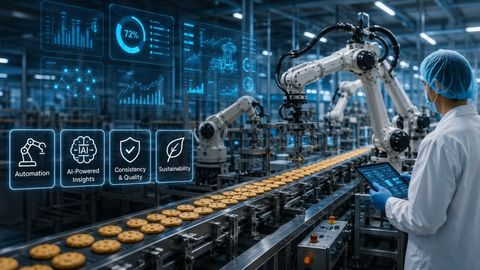
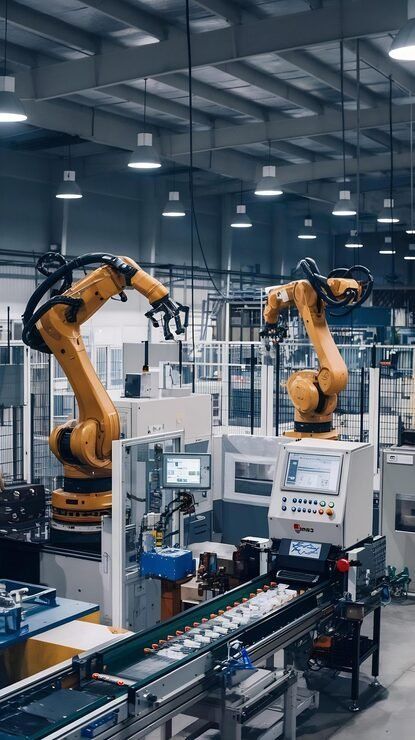
In 2026, capsule making machines are no longer limited to simple filling and sealing functions. Many modern systems incorporate sensors, intelligent monitoring tools, predictive maintenance capabilities, and data analytics to improve overall production performance. These developments reflect the broader movement toward smart manufacturing and Industry 4.0 practices.
Why Capsule Making Machine Technology Matters Today
Capsule manufacturing technology plays an important role in the healthcare and pharmaceutical sectors. Reliable production systems help ensure that medicines and supplements reach consumers with consistent quality and safety.
Several factors contribute to the growing importance of capsule manufacturing technology:
• Increasing demand for pharmaceutical products worldwide
• Growth of nutritional supplements and wellness products
• Rising quality and compliance requirements
• Need for production efficiency and reduced waste
• Greater focus on product consistency and patient safety
The technology affects multiple stakeholders, including pharmaceutical manufacturers, healthcare providers, regulatory agencies, researchers, and consumers.
One of the key challenges addressed by modern capsule making machines is production accuracy. Even small variations in capsule filling can impact product quality. Advanced machines help minimize errors through automated control systems and precision measurement technologies.
Another important issue is operational efficiency. Manufacturers often face pressure to meet growing demand while maintaining high standards. Automated capsule production equipment can improve throughput while reducing manual intervention.
The technology also supports traceability and documentation. Digital monitoring systems enable manufacturers to track production data, making quality assurance processes more transparent and efficient.
Key Industry Trends and Recent Updates in 2025–2026
The past year has seen significant developments in capsule manufacturing technology. Several trends are influencing how production facilities operate and invest in new equipment.
Growth of Smart Manufacturing
Throughout 2025 and into 2026, many pharmaceutical facilities expanded the use of connected manufacturing systems. Capsule making machines increasingly include sensors that collect real-time production data.
These systems can monitor:
• Filling accuracy
• Machine performance
• Temperature conditions
• Production speed
• Equipment health indicators
Real-time monitoring helps operators identify issues quickly and maintain consistent output.
Expansion of Artificial Intelligence Applications
Artificial intelligence has become a growing part of pharmaceutical manufacturing. In 2026, some advanced capsule production systems use AI-supported analytics to improve process optimization.
Examples include:
• Predictive maintenance scheduling
• Quality trend analysis
• Production forecasting
• Process improvement recommendations
AI tools can help manufacturers reduce downtime and improve operational efficiency.
Increased Focus on Sustainable Manufacturing
Environmental sustainability continues to influence industrial equipment development.
Many equipment manufacturers have focused on:
• Energy-efficient machine designs
• Reduced material waste
• Improved resource utilization
• Environmentally responsible manufacturing practices
This trend aligns with broader sustainability objectives across the pharmaceutical industry.
Flexible Production Systems
Demand for personalized healthcare products and specialized formulations has encouraged the development of flexible manufacturing solutions.
Modern capsule making machines are increasingly designed to handle:
• Different capsule sizes
• Multiple formulations
• Smaller production batches
• Rapid product changeovers
This flexibility supports evolving market requirements.
Technology Development Comparison
| Technology Area | Traditional Systems | Modern Systems (2026) |
|---|---|---|
| Monitoring | Manual inspection | Real-time digital monitoring |
| Maintenance | Scheduled maintenance | Predictive maintenance |
| Data Collection | Paper-based records | Digital data management |
| Production Flexibility | Limited | High flexibility |
| Quality Control | Periodic checks | Continuous monitoring |
| Automation Level | Moderate | Advanced automation |
Innovation Adoption Overview
| Trend | Industry Adoption Level |
| Automation | Very High |
| Digital Monitoring | High |
| AI Analytics | Growing |
| Sustainability Features | High |
| Predictive Maintenance | Growing |
| Smart Sensors | High |
Laws and Policies Affecting Capsule Manufacturing
Capsule manufacturing technology operates within a highly regulated environment. Governments and regulatory authorities establish standards to protect public health and ensure product quality.
Although regulations vary by country, several common principles apply globally.
Good Manufacturing Practice Requirements
Good Manufacturing Practice (GMP) frameworks remain a cornerstone of pharmaceutical manufacturing regulation.
These standards generally address:
• Equipment validation
• Quality control procedures
• Documentation requirements
• Personnel training
• Facility cleanliness
• Product traceability
Modern capsule making machines are often designed to support GMP compliance through automated documentation and monitoring capabilities.
Data Integrity Requirements
As digital technologies become more common, regulators increasingly emphasize data integrity.
Manufacturers must ensure that production records are:
• Accurate
• Complete
• Secure
• Traceable
Digital manufacturing systems help organizations maintain reliable records throughout production processes.
Pharmaceutical Quality Standards
National and international regulatory agencies continue to strengthen quality expectations.
Manufacturers typically must demonstrate that equipment can consistently produce products meeting established specifications. Validation and qualification procedures remain essential parts of compliance programs.
Environmental Regulations
Many countries have introduced environmental policies aimed at reducing industrial emissions and improving energy efficiency.
These regulations encourage manufacturers to adopt technologies that support sustainable production practices and responsible resource management.
Helpful Tools and Resources
Several tools and resources can support understanding and management of capsule manufacturing technology.
Digital Production Monitoring Systems
These platforms help track machine performance, production efficiency, and operational metrics in real time.
Manufacturing Analytics Dashboards
Analytics tools convert production data into visual reports that assist with decision-making and process optimization.
Maintenance Planning Templates
Maintenance templates help organizations schedule inspections, servicing activities, and equipment performance reviews.
Quality Management Systems
Quality management platforms support documentation, compliance tracking, corrective actions, and audit preparation.
Production Capacity Calculators
Capacity calculators assist manufacturers in estimating production output based on machine specifications and operating conditions.
Training and Learning Resources
Educational materials, technical manuals, online courses, and industry publications help professionals stay informed about evolving technologies and regulatory expectations.
Frequently Asked Questions
What is a capsule making machine?
A capsule making machine is specialized equipment used to manufacture and fill capsules with pharmaceutical, nutritional, or healthcare formulations while maintaining quality and consistency.
How has capsule manufacturing technology changed in 2026?
The technology has advanced through greater automation, smart monitoring systems, predictive maintenance tools, digital data management, and sustainability-focused innovations.
Why is automation important in capsule production?
Automation improves consistency, reduces manual errors, enhances production efficiency, and supports compliance with quality standards.
Are capsule making machines subject to regulations?
Yes. Pharmaceutical manufacturing equipment must operate within regulatory frameworks that address quality control, documentation, validation, safety, and manufacturing standards.
What role does artificial intelligence play in modern capsule manufacturing?
Artificial intelligence can assist with predictive maintenance, production optimization, quality trend analysis, and operational decision-making through advanced data analytics.
Conclusion
Capsule making machine technology continues to evolve as pharmaceutical and healthcare industries embrace digital transformation, automation, and sustainability initiatives. In 2026, modern manufacturing systems offer greater precision, flexibility, and operational visibility than ever before.