Custom Steel Belt Manufacturing: Industrial Design, Materials and Production Capabilities
Steel belts are essential components in many industrial production systems. Their design and manufacturing influence how materials move, process, and perform in different environments. Custom steel belt manufacturing focuses on creating belts that meet specific technical requirements, including dimensions, material properties, surface finishes, and operating conditions.
An industrial steel belt manufacturer generally works with engineering specifications to develop suitable products for particular applications. Understanding the materials, production methods, equipment, and quality requirements helps explain how these components are manufactured and used.
Context of Steel Belt Manufacturing
What Is a Steel Belt?
A steel belt is a continuous or specially shaped strip of metal designed to transport, support, press, or process materials. Unlike conventional rubber or fabric conveyor belts, steel belts can provide high dimensional stability and resistance to certain demanding operating conditions.
Steel belts are commonly produced from stainless steel or other suitable steel grades. Their thickness, width, length, and surface characteristics depend on the intended application.
Why Custom Manufacturing Matters
Standard industrial components may not fit every production system. Custom manufacturing allows engineers to define specific dimensions and material characteristics according to machine design and operating requirements.
A custom steel belt manufacturer may develop belts for specialized equipment, unusual operating temperatures, particular surface finishes, or precise movement requirements. The manufacturing process begins with understanding these technical needs rather than selecting a single standard design.
Importance of Precision Steel Belt Production
Accuracy and Dimensional Stability
Precision steel belt manufacturing requires careful control of thickness, width, flatness, and surface condition. Small dimensional differences can affect how a belt moves through machinery or interacts with other components.
Accurate production helps maintain consistent operation and reduces problems associated with uneven movement, misalignment, or irregular material handling. Measurement and inspection are therefore important throughout the manufacturing process.
Material Performance and Reliability
Steel belts may operate under mechanical stress, heat, moisture, or contact with different materials. Their performance depends on selecting suitable steel grades and applying appropriate manufacturing methods.
Material properties such as tensile strength, hardness, corrosion resistance, and flexibility influence the final product. Engineers consider these characteristics together because improving one property may affect another.
Materials Used in Steel Belt Production
Stainless Steel and Other Steel Grades
Stainless steel is frequently used in steel belt production because it offers corrosion resistance and can be suitable for environments requiring clean surfaces. Different stainless steel grades have different mechanical and chemical characteristics.
Other steel materials may be selected when particular strength, hardness, or manufacturing properties are required. The correct choice depends on operating conditions, expected loads, environmental exposure, and maintenance requirements.
Material Selection Factors
The following factors commonly influence material selection:
Mechanical strength: Determines how the belt responds to applied loads.
Corrosion resistance: Helps manage exposure to moisture or certain chemicals.
Surface quality: Influences contact with products and processing materials.
Temperature resistance: Supports operation within specified thermal conditions.
Formability: Affects how the material can be shaped during production.
Steel Belt Manufacturing Process
Engineering Design and Preparation
The process usually begins with technical drawings, measurements, and application requirements. Engineers define belt dimensions, material grade, surface finish, and other relevant specifications.
Computer-aided design tools may help create accurate models and evaluate how the belt fits into the intended machinery. Design preparation also considers joining methods, tension requirements, and expected movement.
Cutting, Forming, and Joining
Steel sheets or coils are prepared and cut to the required dimensions. Depending on the design, manufacturing may include rolling, leveling, forming, welding, or other metalworking operations.
Some belts are produced as continuous loops, while others use specific joining arrangements. Welding and joining methods require careful control because the finished connection can influence strength, smoothness, and dimensional accuracy.
Finishing and Inspection
After forming, belts may undergo surface finishing, polishing, cleaning, or other treatments. These processes help achieve the required surface characteristics and remove irregularities.
Inspection may include dimensional measurement, visual examination, surface checks, and testing of relevant mechanical properties. The final process depends on the product specifications and its intended industrial use.
Steel Belt Manufacturing Equipment
Machinery Used in Production
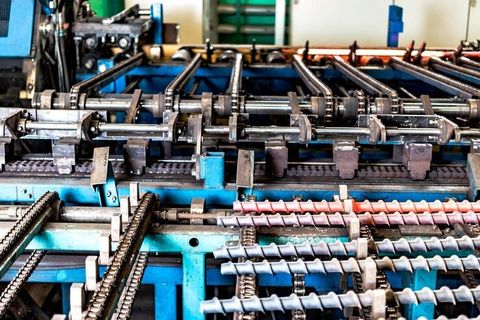
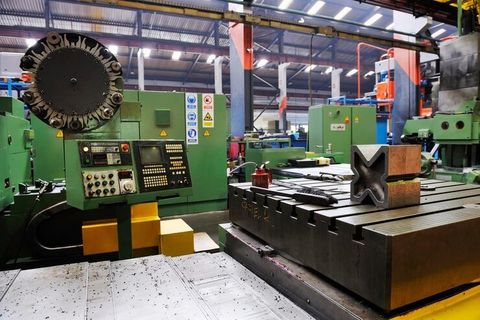
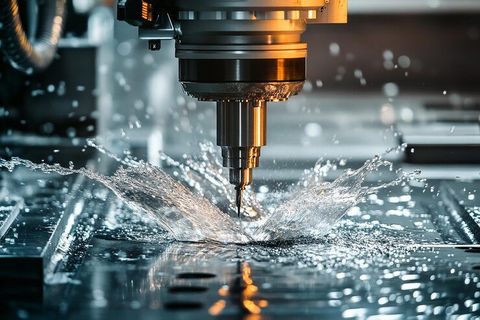
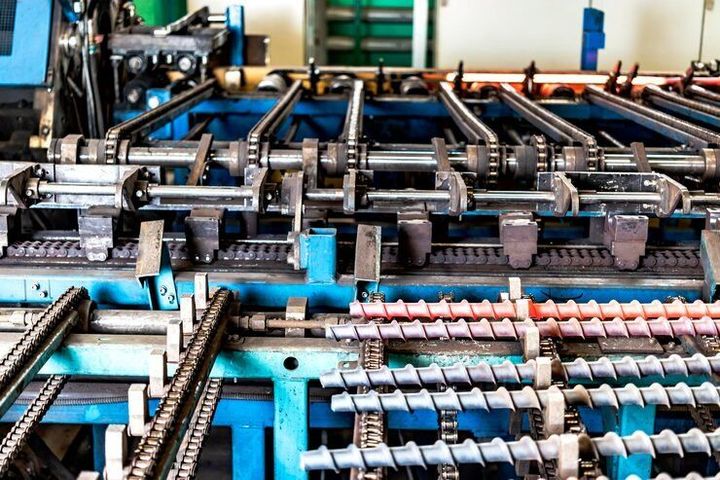
Steel belt manufacturing equipment includes machines for preparing, shaping, joining, and finishing metal. The exact equipment varies according to belt design, material thickness, and production volume.
Equipment | Main Function |
|---|---|
Precision cutting machines | Cut steel to specified dimensions |
Rolling and leveling machines | Control flatness and material shape |
Welding equipment | Join sections where required |
Polishing machines | Improve surface finish |
Measurement systems | Check dimensional accuracy |
Inspection equipment | Evaluate product quality |
Automation and Production Control
Modern steel belt manufacturing machinery may use automated controls to maintain repeatable processing conditions. Sensors and digital measurement systems can support monitoring during cutting, forming, and finishing.
Automation does not eliminate the need for engineering judgment. Operators and quality personnel still review specifications, inspect results, and adjust processes when necessary.
Industrial Applications of Steel Belts
Manufacturing and Material Processing
Steel belts are used in industrial systems where stable material movement or controlled processing is important. Applications may include continuous production lines, thermal processing systems, material handling equipment, and specialized pressing machinery.
Their suitability depends on the belt's design and the conditions in which it operates. Load capacity, temperature, surface contact, and movement speed are important considerations.
Packaging, Food, and Chemical Industries
Certain steel belts are used in packaging and food-processing equipment, particularly where metal surfaces and specific cleaning requirements are relevant. Suitable stainless steel grades may also be selected for some chemical processing environments.
However, not every steel belt is appropriate for every industry. Material compatibility, hygiene requirements, chemical exposure, and applicable technical standards must be considered before selecting a design.
Recent Developments in Steel Belt Production
Digital Engineering and Quality Monitoring
Digital engineering tools are increasingly used to support product design, manufacturing planning, and inspection. Computer models can help engineers identify dimensional issues before production begins.
Digital measurement systems also provide information about manufacturing consistency. When properly applied, these technologies can improve process visibility and support more informed production decisions.
Advanced Manufacturing Methods
Developments in precision cutting, automated welding, and surface treatment continue to influence steel belt production. These methods can support more consistent manufacturing when equipment is correctly configured and maintained.
Future developments may include wider use of integrated production monitoring, improved material analysis, and more efficient manufacturing workflows.
Frequently Asked Questions
What Does an Industrial Steel Belt Manufacturer Do?
An industrial steel belt manufacturer designs or produces metal belts according to application requirements. Activities may include material selection, engineering, cutting, forming, joining, finishing, and inspection.
What Is Stainless Steel Belt Production?
Stainless steel belt production involves manufacturing belts from suitable stainless steel grades. The process may include cutting, leveling, joining, surface finishing, and quality checks.
Which Equipment Is Used for Steel Belt Manufacturing?
Common equipment includes cutting machines, rolling systems, welding tools, polishing machines, and dimensional inspection instruments.
Why Is Precision Important in Steel Belt Manufacturing?
Precision helps maintain correct dimensions, smooth movement, and consistent interaction with industrial machinery. It can also reduce alignment and performance problems.
What Factors Affect Steel Belt Design?
Important factors include material grade, belt dimensions, operating temperature, mechanical load, surface finish, and environmental conditions.
Conclusion
Custom steel belt manufacturing combines material science, engineering design, metalworking, and quality inspection. Each stage contributes to the belt's dimensions, surface characteristics, and suitability for industrial applications.