Explore Automatic Liquid Filling Machines for Advanced Industrial Production
Automatic liquid filling machines support modern industrial production. These systems transfer liquids into containers with controlled quantities and repeatable processes. They are commonly used in food manufacturing, cosmetics, pharmaceuticals, chemicals, and beverage packaging. Understanding their operation helps explain how factories manage liquid packaging efficiently and safely.
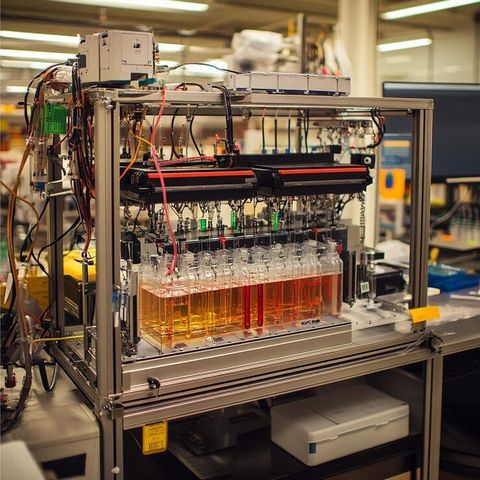
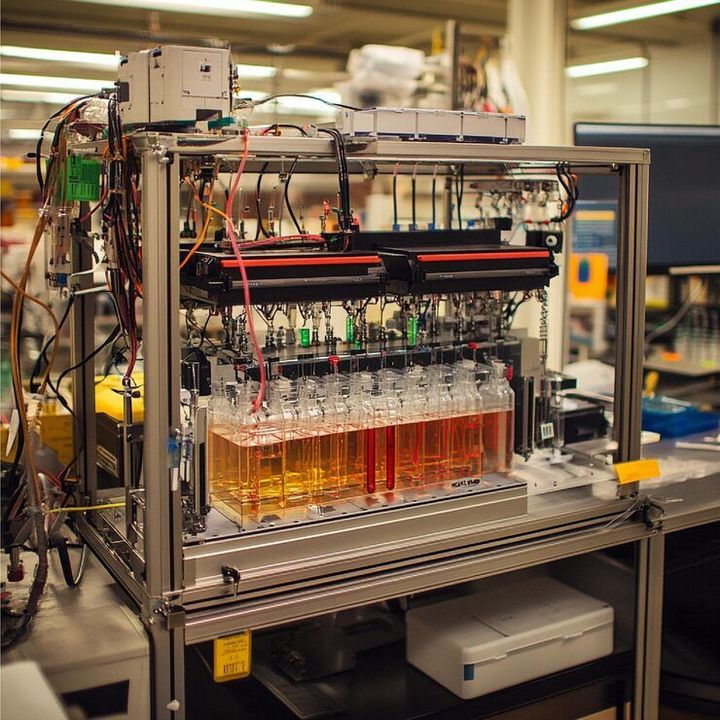
An automatic liquid filling machine is equipment designed to dispense liquids into bottles, jars, cans, or other containers. It uses mechanical, pneumatic, electronic, or computerized controls to manage the filling process. Depending on its design, the machine may handle thin liquids, thick liquids, or products containing small particles.
Industrial liquid filling machines are often integrated into larger packaging systems. These systems may include container feeding, filling, capping, labeling, inspection, and packaging equipment. Automation helps coordinate these activities while reducing the need for repeated manual handling.
How the Filling Process Works
A typical automatic filling system follows a sequence of operations. Empty containers enter the production line, move into position, receive a measured quantity of liquid, and continue toward the next packaging stage.
The filling process generally includes:
Container positioning, where bottles or other containers are aligned beneath filling nozzles.
Liquid delivery, where pumps, valves, or gravity systems transfer the product.
Quantity control, where sensors or programmed settings determine the filling volume.
Container release, where filled containers move toward capping or inspection.
The exact process depends on the machine design, liquid characteristics, and container dimensions.
Importance
Why Industrial Liquid Filling Equipment Matters
Liquid filling equipment plays an important role in maintaining packaging consistency. When containers receive controlled quantities, manufacturers can manage product presentation and reduce variations between packages. Consistent filling also supports quality control and inventory planning.
Automated systems can process containers continuously or in organized batches. Their operating speed depends on container size, liquid flow, filling technology, and production settings. Automation may also reduce repetitive tasks that workers would otherwise perform manually.
Applications Across Different Industries
Automatic liquid filling systems are used in several manufacturing sectors. Each industry requires equipment suited to its product characteristics and packaging standards.
Food and beverages: Beverage filling machines handle products such as water, juices, sauces, and other liquid foods.
Pharmaceuticals: Pharmaceutical filling machines support controlled packaging processes for suitable liquid formulations.
Cosmetics: Cosmetic filling machinery handles products such as lotions, shampoos, creams, and liquid personal care items.
Chemicals: Chemical liquid filling equipment is designed for compatible industrial liquids, including certain cleaning and processing products.
Food processing packaging equipment may also combine filling with sealing, labeling, and inspection functions. The equipment configuration depends on the product, container, and manufacturing environment.
Recent Updates
Automation and Smart Manufacturing
Modern industrial packaging machinery increasingly incorporates electronic controls, sensors, and programmable systems. These technologies help operators monitor filling conditions and adjust production settings. Some automated liquid filling systems can also exchange information with factory monitoring platforms.
Digital monitoring may record operating conditions, production counts, and equipment interruptions. Such information can help maintenance teams identify recurring problems and improve process planning. However, actual capabilities vary between machines and control systems.
Flexible Production Lines
Manufacturers often work with different container shapes, sizes, and liquid products. Flexible filling systems can support product changes through adjustable settings, interchangeable parts, or suitable changeover procedures.
A liquid filling production line may combine filling and capping equipment with conveyors and inspection systems. Integrated production can help coordinate packaging stages, although the overall layout must match the facility's operational requirements.
Common Filling Technologies
Different filling methods are selected according to liquid behavior and packaging needs.
| Filling Technology | General Working Principle | Typical Application |
|---|---|---|
| Gravity filling | Liquid flows through controlled valves | Thin liquids |
| Piston filling | A piston measures and transfers liquid | Thick liquids |
| Pump filling | A pump delivers controlled liquid volumes | Various liquid products |
| Flowmeter filling | Sensors measure liquid movement | Consistent flow applications |
| Vacuum filling | Pressure differences assist filling | Selected container and liquid types |
No single method is suitable for every product. Viscosity, foaming, temperature, and container design influence the choice.
Laws or Policies
Safety and Packaging Considerations
Industrial filling equipment must be operated according to applicable workplace safety requirements and product-specific regulations. Manufacturers and facility operators should consider electrical safety, moving machinery, pressure systems, cleaning procedures, and appropriate protective equipment.
For food, pharmaceutical, cosmetic, and chemical applications, additional requirements may apply to materials that contact the product. These requirements vary by country, industry, and product category.
Container labeling, packaging integrity, and product traceability may also be governed by local regulations. Businesses should consult relevant regulatory authorities and qualified professionals when determining their compliance responsibilities.
Tools and Resources
Selecting Suitable Filling Machinery
Choosing industrial filling machinery requires an understanding of production needs rather than focusing only on machine speed. Important considerations include liquid viscosity, container dimensions, required filling volume, and the expected production schedule.
Useful evaluation resources include equipment specification sheets, production layout drawings, maintenance records, and packaging compatibility guides. These documents help compare machine capabilities with actual factory requirements.
Maintenance and Operational Planning
Regular maintenance supports reliable machine operation. Cleaning, inspection, lubrication, and replacement of worn components should follow the equipment manufacturer's instructions.
Operators should also receive appropriate training before using industrial filling and capping machines. Clear operating procedures can help reduce avoidable errors and support consistent production practices.
FAQs
What Is an Automatic Bottle Filling Machine?
An automatic bottle filling machine places measured quantities of liquid into bottles using controlled filling mechanisms. It may operate independently or as part of a larger packaging line.
Which Industries Use Liquid Bottling Equipment?
Food, beverage, pharmaceutical, cosmetic, and chemical industries commonly use liquid bottling equipment. The machine design depends on the liquid and its packaging requirements.
How Does a High-Speed Liquid Packaging Machine Work?
A high-speed liquid packaging machine coordinates container movement, filling, and sometimes capping or inspection. Its actual output depends on product characteristics, container size, and operating conditions.
What Is an Automated Liquid Filling System?
An automated liquid filling system uses controls and mechanical equipment to manage liquid dispensing. It may include sensors, pumps, conveyors, and programmable operating settings.
Conclusion
Automatic liquid filling machines are important components of modern industrial packaging. They help manufacturers manage liquid quantities, organize production, and coordinate packaging activities across different industries.