Explore Industrial Machinery for Smart Factory Growth
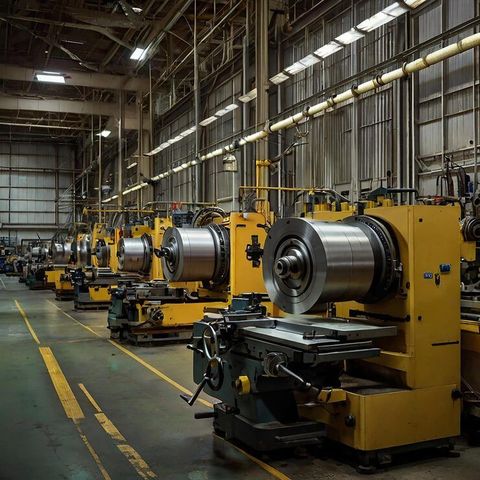
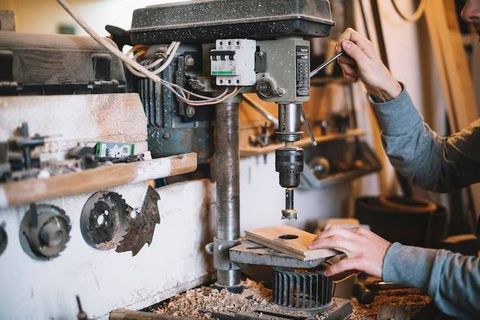
Industrial machinery refers to the equipment, systems, and mechanical technologies used in manufacturing, processing, packaging, logistics, and industrial operations. These machines help factories improve productivity, maintain consistent output, and reduce operational delays.
Traditional manufacturing mainly depended on manual labor and isolated machines. However, industrial operations have changed significantly with the rise of automation, connected systems, and digital monitoring. Smart factories now combine machinery with artificial intelligence, industrial IoT, cloud analytics, robotics, and predictive maintenance systems.
Modern industrial machinery includes:
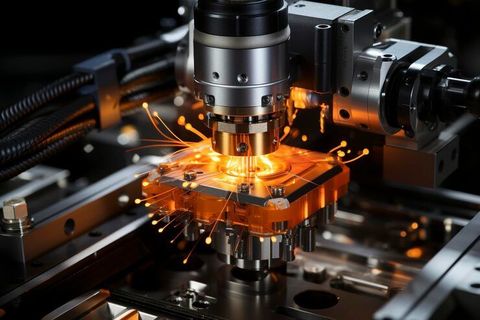
- CNC machines
- Robotic arms
- Conveyor systems
- Industrial sensors
- Packaging equipment
- Automated guided systems
- Smart monitoring platforms
- Machine vision systems
Factories use these technologies to improve efficiency, production planning, workplace safety, and quality control. Industries such as automotive, electronics, pharmaceuticals, food processing, textiles, and heavy engineering increasingly depend on smart industrial infrastructure.
Common Industrial Machinery Applications
| Industry | Machinery Application | Main Purpose |
|---|---|---|
| Automotive | Robotic assembly systems | Precision manufacturing |
| Food Processing | Packaging machinery | Faster packaging workflows |
| Electronics | CNC equipment | Component accuracy |
| Textile | Automated weaving systems | Production consistency |
| Pharmaceuticals | Inspection systems | Quality monitoring |
Why Smart Industrial Machinery Matters Today
Industrial machinery has become increasingly important because manufacturing demand continues to grow globally. Businesses are expected to produce goods faster while maintaining quality, energy efficiency, and supply chain reliability.
Smart factory technologies support these goals through automation and real-time monitoring.
Key Reasons Behind Growing Importance
Improved Production Efficiency
Modern machinery can operate continuously with fewer interruptions. Automated systems reduce repetitive tasks and help manufacturers maintain production consistency.
Better Data Monitoring
Industrial IoT sensors collect machine performance data in real time. This allows manufacturers to identify maintenance needs before failures occur.
Energy Management
Energy-efficient machinery helps reduce industrial power consumption. Smart monitoring systems also support sustainability initiatives and environmental compliance.
Reduced Human Error
Automation technologies help improve precision in manufacturing processes. This is especially important in sectors where measurement accuracy and product consistency are critical.
Supply Chain Stability
Manufacturers use smart machinery and predictive analytics to improve inventory management, production planning, and delivery timelines.
Growth Drivers in Smart Factory Development
The adoption of industrial machinery is influenced by several technological and economic trends.
| Growth Driver | Impact on Manufacturing |
|---|---|
| Artificial Intelligence | Supports predictive maintenance |
| Industrial IoT | Enables machine connectivity |
| Cloud Computing | Improves remote monitoring |
| Robotics | Enhances production automation |
| Data Analytics | Optimizes operational efficiency |
Factories increasingly use connected systems where machinery communicates with software platforms through industrial networks. These systems help managers monitor production remotely and improve decision-making.
Recent Updates and Industry Trends
Industrial machinery and smart factory technologies have experienced rapid development during the past year.
Artificial Intelligence Integration in 2025
In early 2025, several manufacturing companies expanded AI-driven monitoring systems to improve predictive maintenance and reduce unexpected downtime. AI-based analytics platforms are now commonly integrated with industrial machinery dashboards.
Growth of Industrial IoT Adoption
During 2024 and 2025, industrial IoT implementation increased across manufacturing sectors worldwide. Factories continue adopting sensor-based systems that collect equipment data and support real-time monitoring.
Robotics Expansion in Manufacturing
Collaborative robots, often called cobots, gained wider adoption in electronics, packaging, and logistics industries during 2025. These systems are designed to work alongside human operators while improving workflow efficiency.
Smart Energy Management Systems
Energy monitoring tools became more common in industrial facilities due to sustainability initiatives and stricter environmental regulations introduced in multiple countries during 2024.
Digital Twin Technology
Manufacturers increasingly use digital twin systems to simulate machinery performance virtually before implementing operational changes. This trend expanded significantly in advanced manufacturing environments during 2025.
Government Policies and Industrial Regulations
Industrial machinery is heavily influenced by government policies, workplace regulations, environmental standards, and digital manufacturing programs.
India’s Smart Manufacturing Initiatives
The Government of India has encouraged industrial modernization through programs supporting digital manufacturing, industrial automation, and infrastructure development.
Key initiatives include:
- Make in India
- Digital India
- Production Linked Incentive (PLI) schemes
- Smart manufacturing adoption programs
- Industrial corridor development projects
These initiatives encourage industries to modernize operations and improve manufacturing competitiveness.
Workplace Safety Regulations
Factories using industrial machinery must follow workplace safety standards established by industrial and labor authorities. Safety measures commonly include:
- Machine guarding systems
- Emergency stop mechanisms
- Operator safety training
- Electrical compliance inspections
- Hazard monitoring systems
Environmental Compliance
Modern industrial operations are increasingly required to follow energy efficiency and emissions guidelines. Environmental policies often encourage:
- Reduced industrial waste
- Lower energy consumption
- Sustainable manufacturing technologies
- Cleaner production systems
Data Security and Industrial Networks
As factories become more connected, cybersecurity regulations and industrial network protection standards are becoming more important. Manufacturers are investing in secure industrial communication systems to protect operational data.
Tools and Resources for Industrial Machinery Management
Manufacturers and industrial professionals use multiple digital tools to monitor machinery performance, optimize operations, and improve factory management.
Industrial IoT Platforms
These platforms connect machinery with centralized dashboards for performance monitoring and analytics.
Common features include:
- Sensor monitoring
- Real-time alerts
- Equipment tracking
- Production analytics
Predictive Maintenance Software
Predictive maintenance systems analyze equipment behavior and identify potential maintenance requirements before failures occur.
Digital Twin Platforms
Digital twin software helps simulate industrial machinery operations virtually. Engineers use these systems for testing, optimization, and operational planning.
Energy Monitoring Tools
Energy management platforms track industrial power consumption and identify efficiency improvement opportunities.
Industrial ERP Systems
Enterprise Resource Planning platforms help manufacturers manage inventory, production schedules, maintenance records, and operational workflows.
Useful Industrial Technology Resources
| Resource Type | Purpose |
|---|---|
| Industrial IoT Dashboards | Equipment monitoring |
| Predictive Analytics Platforms | Maintenance forecasting |
| Robotics Simulation Software | Workflow testing |
| Manufacturing ERP Systems | Operational management |
| Energy Monitoring Tools | Sustainability tracking |
Challenges Affecting Industrial Machinery Adoption
Despite technological growth, several challenges still affect industrial modernization.
High Infrastructure Complexity
Smart factory systems often require integration between multiple software platforms, sensors, and machinery networks.
Cybersecurity Risks
Connected industrial systems can face cybersecurity threats if networks are not properly secured.
Workforce Training Needs
Employees may require additional training to operate advanced machinery and automation systems effectively.
Data Management Challenges
Industrial facilities generate large amounts of operational data, making analytics and data management increasingly important.
Future Outlook for Smart Factory Machinery
The future of industrial machinery is expected to focus on connected automation, sustainability, and intelligent manufacturing systems.
Key future developments may include:
- Expanded AI automation
- Advanced robotics integration
- Fully connected industrial ecosystems
- Improved predictive analytics
- Energy-efficient machinery systems
- Autonomous material handling technologies
Manufacturing industries are likely to continue investing in automation and smart production technologies as operational efficiency becomes increasingly important.
Frequently Asked Questions
What is industrial machinery?
Industrial machinery refers to equipment and mechanical systems used in manufacturing, processing, packaging, construction, and industrial operations.
What is a smart factory?
A smart factory is a manufacturing environment that uses connected technologies such as industrial IoT, automation, artificial intelligence, and data analytics to improve operations.
How does AI help industrial machinery?
Artificial intelligence helps monitor machinery performance, predict maintenance needs, improve production efficiency, and reduce unexpected downtime.
What is predictive maintenance?
Predictive maintenance uses sensors and analytics to identify equipment issues before failures occur, helping reduce operational interruptions.
Why is industrial IoT important?
Industrial IoT allows machinery and devices to communicate through connected networks, improving monitoring, analytics, and operational decision-making.
Conclusion
Industrial machinery continues to play a major role in modern manufacturing and smart factory development. Industries worldwide are adopting automation, industrial IoT, robotics, and AI-driven monitoring systems to improve operational efficiency and production reliability.
Recent advancements in predictive maintenance, digital twin technology, and connected industrial systems are transforming how factories operate. Government initiatives, sustainability goals, and industrial modernization programs are also encouraging the adoption of advanced manufacturing technologies.