Metal Scrap Shredders Explore: Modern Recycling and Scrap Processing Trends
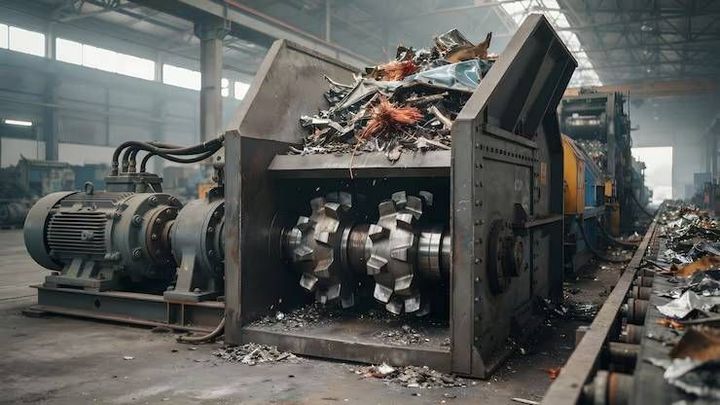
Metal scrap shredders are industrial machines designed to break metal waste into smaller, manageable pieces. They are used in recycling facilities, metal processing plants, vehicle recycling operations, and manufacturing industries. Their primary purpose is to prepare discarded metal for sorting, transportation, and further processing.
Metal waste comes from many sources, including old vehicles, damaged machinery, construction materials, electrical equipment, metal containers, and manufacturing leftovers. Without proper processing, these materials can occupy large amounts of storage space and become difficult to handle.
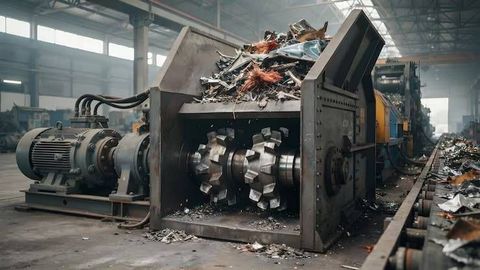
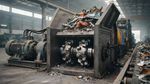
A metal scrap shredder uses rotating shafts, cutting tools, hammers, or other mechanical components to reduce the size of incoming material. The machine selected depends on the metal type, material thickness, required output size, and expected processing volume.
Common types of metal scrap shredders include:
Hammermill shredders: Use rapidly moving hammers to break metal into smaller fragments.
Dual-shaft shredders: Use two rotating shafts to tear or shear bulky materials.
Single-shaft shredders: Use a rotating cutting system, often with a screen to control output size.
Industrial scrap shredders: Handle large or dense metal items in demanding recycling environments.
These machines are not designed to process every material in the same way. Aluminum, copper, steel, stainless steel, and mixed metal scrap have different physical properties. Effective processing therefore requires suitable equipment settings and material preparation.
How the Metal Shredding Process Works
Metal scrap processing generally follows several stages. First, incoming materials are inspected and separated according to their type and condition. Dangerous items, sealed containers, batteries, and other unsuitable materials must be identified before processing.
The prepared scrap then enters the shredding chamber, where mechanical force reduces its size. Depending on the system, magnets, air separators, screens, and sensor-based equipment may be used afterward to separate different materials.
The typical process includes:
Receiving and inspecting scrap metal.
Removing unsuitable or hazardous items.
Feeding prepared materials into the shredder.
Reducing the material into smaller fragments.
Separating ferrous and non-ferrous metals.
Checking the recovered materials for quality.
Sending suitable fractions for further recycling or manufacturing.
This process makes metal recovery more organized and supports the return of useful materials to industrial production.
Importance of Metal Scrap Shredders in Modern Industry
Supporting Resource Conservation
Metal scrap shredders help recover materials that might otherwise remain unused or enter unsuitable waste streams. Recovered metals can become raw materials for new products, including structural components, machinery parts, metal sheets, and other manufactured goods.
Recycling metals can reduce the need for newly extracted ores. The environmental benefit depends on the metal, energy source, processing method, transportation requirements, and quality of the recovered material.
Steel and aluminum are especially important in recycling systems because they are widely used in construction, transportation, packaging, and industrial equipment.
Improving Processing Efficiency
Large metal objects are difficult to transport, store, and separate. Shredding reduces their size and can make downstream processing more manageable.
Modern systems can help facilities:
Process bulky scrap into smaller fragments.
Separate magnetic and non-magnetic materials.
Improve the consistency of recovered metal fractions.
Reduce manual handling of heavy objects.
Monitor machine performance and identify maintenance needs.
However, the results depend on incoming scrap quality, machine design, operating conditions, and the effectiveness of the separation equipment.
Meeting Industrial Material Requirements
Steelmakers, foundries, metal processors, and manufacturing facilities need materials with suitable composition and quality. Contaminated or poorly sorted scrap can affect production processes and the properties of finished metal.
Shredding supports material preparation, but it does not automatically guarantee purity. Additional sorting, testing, and refining may be necessary to meet the requirements of the next processing stage.
Environmental and Operational Considerations
Shredders consume electricity and can generate noise, dust, heat, and airborne particles. Poorly controlled operations may also create fire risks, especially when scrap contains batteries, pressurized containers, oils, or other hazardous materials.
Facilities should combine appropriate machine design with dust control, safe material inspection, trained operators, and preventive maintenance.
Recent Updates and Metal Recycling Trends
Greater Use of Automation and Smart Monitoring
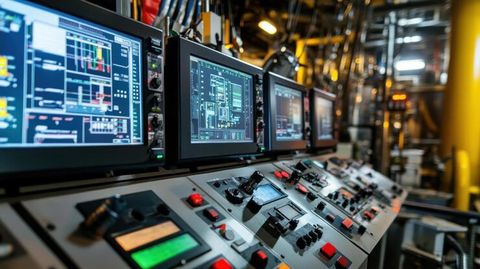
During 2025 and 2026, industrial recycling discussions have increasingly emphasized automation, digital monitoring, and improved material recovery. These technologies can help operators identify irregular machine loads, monitor energy use, and detect changes in output quality.
Modern equipment may incorporate:
Sensors that monitor vibration, temperature, and motor load.
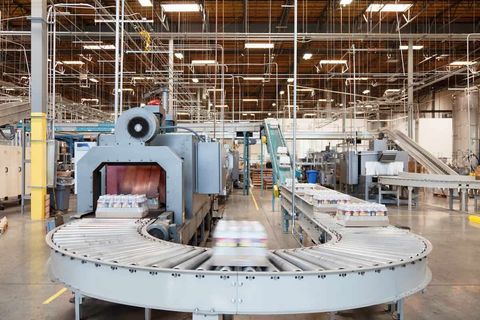
Automated feeding systems that regulate material flow.
Control systems that adjust machine operation.
Digital records of processing volumes and maintenance activities.
Sensor-based sorting systems that identify selected material types.
Automation can improve consistency, but its effectiveness depends on proper installation, calibration, and maintenance.
Advanced Metal Separation
Shredding is only one stage of metal recycling. Improved separation is also important because mixed scrap may contain steel, aluminum, copper, plastics, rubber, and other materials.
Common separation methods include magnetic separation, eddy-current separation, screening, air classification, and sensor-based identification. Combining suitable methods can improve the quality of recovered metal fractions.
The best approach depends on the composition of the incoming material and the purity requirements of the intended application.
India's Changing Recycling Landscape
India's recycling sector has received increased policy attention. A parliamentary standing committee report presented on 4 August 2025 examined the steel scrap sector and highlighted concerns about fragmented collection networks, limited data, material quality, and the need for better training and organized processing.
In January 2026, the government also notified the Solid Waste Management Rules, 2026, which came into force on 1 April 2026. These rules establish updated requirements for solid waste segregation, handling, and reporting. Their precise application depends on the waste stream and the responsibilities of the relevant organization.
Technology or trend | Main purpose |
|---|---|
Smart machine monitoring | Track operating conditions and detect faults |
Automated feeding | Maintain a more consistent material flow |
Sensor-based sorting | Identify and separate selected materials |
Energy monitoring | Understand electricity consumption |
Digital traceability | Record material movement and processing data |
Improved dust control | Reduce airborne particles around equipment |
These developments point toward better process control, although actual results vary with facility design, investment, and operating practices.
Laws and Policies Affecting Metal Scrap Shredding
Environmental Compliance in India
Metal recycling facilities must consider the environmental rules that apply to their activities, location, waste categories, and operating scale. The Environment (Protection) Act, 1986, and relevant waste management rules form part of India's environmental regulatory framework.
Depending on the facility, operators may need permissions or consents from the relevant State Pollution Control Board or Pollution Control Committee. Requirements can involve air emissions, wastewater, noise, waste storage, and the safe handling of hazardous materials.
The Solid Waste Management Rules, 2026, apply to relevant solid waste streams, but they should not be treated as a replacement for specialized rules governing other categories of waste.
Steel Scrap Recycling Policy
India's Steel Scrap Recycling Policy, 2019, provides a framework for increasing organized steel scrap collection and supporting the use of scrap in steelmaking. It is relevant to the broader industry in which metal shredders operate.
The policy context includes the need for reliable scrap collection, appropriate dismantling facilities, improved material quality, and better links between scrap processors and steel manufacturers.
Rules for Specialized Waste Streams
Certain materials require additional controls beyond ordinary scrap handling.
Electronic waste: Relevant e-waste rules may apply to discarded electrical and electronic equipment.
Batteries: Battery Waste Management Rules, 2022, and applicable amendments govern relevant battery waste streams.
End-of-life vehicles: Vehicle scrapping and related environmental requirements may apply to vehicle dismantling and processing.
Non-ferrous metal scrap: Specific extended producer responsibility requirements may apply to covered metals and regulated participants.
A facility should identify each waste category before processing it. Batteries and electronic components, for example, should not be treated as ordinary shredder feed without appropriate assessment and preparation.
Workplace Safety Requirements
Metal shredding presents mechanical, electrical, fire, and noise hazards. Operators should follow applicable workplace safety and factory requirements, including machine guarding, emergency shutdown procedures, electrical isolation, and suitable personal protective equipment.
Facilities should also establish inspection procedures for incoming scrap, particularly where sealed containers, flammable residues, pressurized objects, or other dangerous materials may be present.
Because legal requirements can change, operators should verify current national and state rules before establishing or modifying a recycling facility.
Tools and Resources for Metal Scrap Processing
Equipment Selection and Planning Tools
Choosing a suitable metal scrap shredder requires an understanding of the materials being processed and the expected production requirements. Basic planning tools can help compare machine capabilities and identify operational needs.
Useful resources include:
Material assessment worksheets: Record metal types, dimensions, contamination, and incoming material volumes.
Capacity calculators: Estimate throughput requirements based on operating hours and expected material flow.
Energy monitoring tools: Track electricity consumption and compare usage across operating periods.
Maintenance checklists: Record inspections, lubrication, wear-part replacement, and equipment faults.
Material tracking spreadsheets: Document incoming scrap, recovered metal fractions, rejected materials, and processing quantities.
Safety assessment templates: Help identify mechanical hazards, fire risks, dust exposure, and emergency procedures.
Important Factors When Evaluating a Shredder
Factor | Why it matters |
|---|---|
Material type | Different metals require different processing approaches |
Throughput | Determines how much material can be handled during a given period |
Output size | Influences downstream sorting and processing |
Power requirements | Helps assess electrical infrastructure and energy use |
Maintenance access | Supports inspections and replacement of worn components |
Safety features | Helps manage mechanical and operational hazards |
Machine selection should also consider available floor space, noise limits, dust collection, operator training, and the handling of unsuitable materials.
Learning and Operational Resources
General industrial engineering guides, recycling process manuals, equipment maintenance documents, environmental compliance checklists, and occupational safety training materials can help readers understand the complete shredding process.
Facilities can also use digital maintenance records and production dashboards to track downtime, processing volumes, material recovery, and equipment condition. These records support more informed operational decisions when measurements are collected consistently.
Frequently Asked Questions
What is a metal scrap shredder used for?
A metal scrap shredder reduces discarded metal objects into smaller fragments. These fragments can then be sorted, separated, and prepared for further recycling or industrial processing.
Which metals can industrial scrap shredders process?
Depending on the machine design, shredders can process steel, iron, aluminum, copper-containing scrap, and other metal materials. The appropriate equipment depends on the material's thickness, hardness, shape, and composition.
How does shredding improve metal recycling?
Shredding makes bulky scrap easier to handle and can help downstream separation systems recover different materials. However, additional sorting and refining may be needed to achieve the required metal quality.
What safety risks are associated with metal shredders?
Common risks include moving machinery, flying fragments, excessive noise, dust, electrical hazards, and fires caused by unsuitable incoming materials. Inspection, guarding, trained operators, and appropriate emergency procedures are essential.
What trends are shaping metal scrap shredding in 2026?
Key trends include automated feeding, digital machine monitoring, improved sensor-based sorting, energy tracking, and stronger attention to material traceability and environmental compliance. Adoption varies by facility and application.
Conclusion
Metal scrap shredders play an important role in modern recycling by reducing bulky metal waste and preparing materials for recovery. Their contribution extends beyond size reduction to include improved material handling, more effective sorting, and support for resource conservation.