Spray Pretreatment System Basics: Process, Equipment and Applications
Spray pretreatment plays an important role in preparing metal surfaces before painting or powder coating. It removes dirt, oil, dust, and other unwanted materials that may affect the final surface finish. A spray pretreatment system uses controlled liquid sprays and chemical solutions to clean and prepare industrial components.
These systems are commonly used in automotive manufacturing, metal fabrication, machinery production, household appliances, and other industrial sectors. They help create suitable surface conditions before protective or decorative coatings are applied.
A typical pretreatment system includes several stages, such as cleaning, rinsing, surface conditioning, and drying. The exact process depends on the material, component shape, production requirements, and coating method.
Importance of Spray Pretreatment Systems
Improving Surface Cleanliness
Metal components often contain manufacturing residues, including cutting fluids, grease, fingerprints, and dust. If these materials remain on the surface, they may interfere with paint or powder coating adhesion.
An industrial parts washer removes unwanted substances through water-based cleaning solutions, chemical treatments, and mechanical spraying. Proper cleaning creates a more consistent surface for subsequent finishing operations.
Supporting Coating Quality
Surface preparation is an important step in industrial painting. Contaminants can cause coating defects, uneven coverage, or reduced adhesion.
A properly maintained pretreatment system helps create suitable conditions for applying protective coatings. This is particularly important in industries where components experience moisture, temperature changes, and regular mechanical contact.
Improving Production Consistency
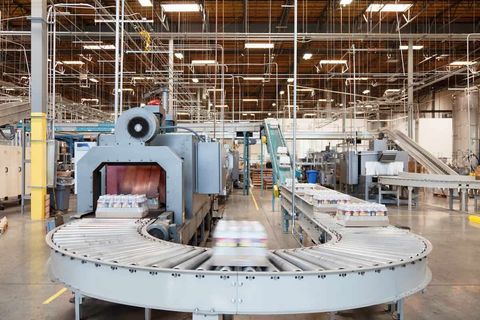
Automated spray systems can process multiple components using controlled operating conditions. Conveyor movement, spray pressure, liquid temperature, and treatment time can be adjusted according to production requirements.
Consistent operating conditions help reduce variations between processed components and support organized manufacturing workflows.
How the Spray Pretreatment Process Works
Initial Cleaning Stage
The first stage generally removes oil, grease, and loose contaminants from metal surfaces. Components pass through spray nozzles that distribute cleaning solutions across their exposed areas.
Cleaning conditions depend on the material and contamination level. Some systems use heated solutions, while others operate at controlled room temperatures.
Rinsing Stage
After cleaning, components usually enter a rinsing section. Water removes remaining cleaning chemicals and loosened contaminants from the surface.
Some industrial systems include multiple rinsing stages to improve cleanliness. Water quality and replacement schedules are important considerations during this operation.
Surface Conditioning
Surface conditioning prepares the metal for the selected coating process. Depending on the material and finishing requirements, this stage may involve specialized chemical treatments.
Phosphating is one traditional example used in certain metal finishing applications. Other processes may use different conversion coatings or surface treatments based on material compatibility and environmental requirements.
Final Rinsing and Drying
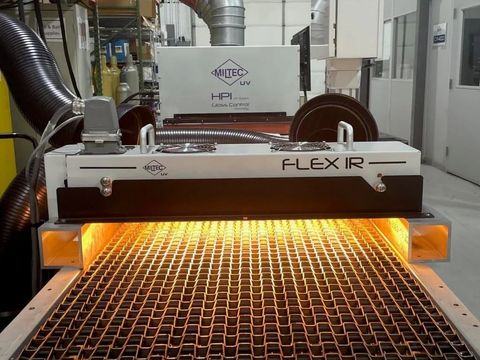
A final rinse helps remove remaining treatment residues. Afterward, components enter a drying section where controlled heat or airflow removes moisture.
Proper drying helps prepare components for the next manufacturing stage, such as powder coating or industrial painting.
Main Equipment Used in Pretreatment Systems
A spray pretreatment installation contains several interconnected equipment components. Each part performs a specific function within the surface preparation process.
Important Equipment Components
Spray chambers: Enclosed areas where cleaning and treatment solutions contact component surfaces.
Spray nozzles: Distribute liquids at controlled pressures and spray patterns.
Pumps: Circulate treatment solutions throughout the system.
Storage tanks: Hold cleaning, rinsing, and treatment liquids.
Filtration units: Remove suspended particles and unwanted materials from circulating liquids.
Conveyors: Transport components through different treatment stages.
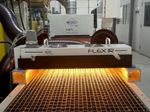
Drying chambers: Remove moisture before coating operations.
Control panels: Monitor and regulate important operating conditions.
Surface preparation equipment can be arranged differently depending on production volume, component dimensions, and available factory space.
Common Types of Spray Pretreatment Systems
Different manufacturing environments require different system configurations. The following table explains several commonly used arrangements.
System type | Main function | Typical application |
|---|---|---|
Three-stage system | Cleaning, rinsing, and conditioning | Basic metal preparation |
Five-stage system | Multiple cleaning and treatment operations | Automotive components |
Seven-stage system | Extended cleaning and rinsing processes | Industrial metal finishing |
Tunnel system | Continuous conveyor-based processing | High-volume production |
Batch system | Processes components in separate groups | Small and medium production |
The number of stages does not automatically determine treatment quality. System selection depends on the required surface condition, coating material, production process, and operating environment.
Applications Across Different Industries
Automotive Manufacturing
Automotive manufacturers use spray pretreatment to prepare metal parts, body components, frames, and other manufactured assemblies. Proper preparation supports subsequent painting and protective coating operations.
Metal Fabrication
Fabrication facilities process steel, aluminum, and other metal components before applying protective or decorative finishes. Pretreatment helps remove manufacturing residues and prepare surfaces for consistent coating.
Household Appliances
Washing machines, refrigerators, ovens, and other appliances contain metal components that may require surface preparation. Spray systems support cleaning before painting or powder coating.
Industrial Machinery
Machine housings, structural components, brackets, and fabricated equipment parts often undergo pretreatment before finishing. The process helps prepare exposed surfaces for industrial environments.
General Metal Finishing
Metal finishing equipment is used across different production sectors to prepare components for coating, painting, and other finishing operations.
Factors Affecting System Performance
Several operating factors influence the effectiveness of a spray pretreatment system.
Spray pressure: Determines how cleaning liquids reach component surfaces.
Temperature: Influences the performance of certain cleaning solutions.
Chemical concentration: Must remain within the recommended operating range.
Treatment time: Determines how long components remain in each processing stage.
Nozzle condition: Blocked or damaged nozzles can create uneven spray coverage.
Water quality: Mineral content and contamination can affect rinsing results.
Regular monitoring helps identify operating variations before they create larger production problems.
Maintenance and Safety Considerations
Routine Equipment Maintenance
Regular maintenance helps maintain stable system operation. Operators should inspect pumps, filters, spray nozzles, conveyor components, tanks, and control equipment.
Important maintenance activities include:
Checking spray nozzles for blockages and wear.
Monitoring liquid levels and chemical concentrations.
Cleaning tanks and filtration components.
Inspecting pumps, pipes, and connections for leakage.
Checking conveyor movement and safety devices.
Maintaining appropriate wastewater treatment procedures.
Workplace Safety
Pretreatment operations may involve heated liquids, industrial chemicals, moving conveyors, and electrical equipment. Appropriate protective equipment and operating procedures are important.
Workers should follow chemical handling instructions, equipment manuals, ventilation requirements, and applicable environmental regulations. Emergency washing facilities and suitable spill-control procedures may also be necessary.
Technology Trends in Spray Pretreatment
Automation and Process Monitoring
Modern pretreatment installations increasingly use automated controls to monitor temperature, pressure, liquid levels, and chemical concentration. These controls help operators maintain consistent processing conditions.
Water Management
Water conservation is an important consideration in industrial manufacturing. Filtration, controlled rinsing, and water reuse systems can help manage water consumption when suitable treatment and quality controls are available.
Energy Efficiency
Insulated tanks, efficient pumps, optimized heating arrangements, and improved drying systems are among the approaches used to manage energy consumption.
Integration With Powder Coating Lines
Pretreatment equipment is often connected directly to a powder coating line. This arrangement allows components to move through cleaning, drying, and coating operations within an organized production sequence.
Frequently Asked Questions
What is a spray pretreatment system?
A spray pretreatment system is industrial equipment that cleans and prepares surfaces before painting, powder coating, or other finishing processes.
What is the purpose of an industrial parts washer?
An industrial parts washer removes oil, grease, dirt, and manufacturing residues from components using suitable cleaning solutions and mechanical action.
How many stages does a pretreatment system require?
The number of stages depends on the material, contamination level, coating requirements, and manufacturing process. Systems may include three, five, seven, or more stages.
Is spray pretreatment necessary before powder coating?
Surface preparation is generally an important part of powder coating. The appropriate pretreatment method depends on the component material and coating specifications.
How does a pretreatment system support industrial paint booths?
Pretreatment prepares component surfaces before they enter an industrial paint booth. Proper cleaning and surface conditioning help create suitable conditions for coating application.
Conclusion
Spray pretreatment is an important part of modern metal finishing and industrial manufacturing. It combines cleaning, rinsing, surface conditioning, and drying to prepare components for painting or powder coating. Understanding the equipment, operating factors, maintenance requirements, and developing technologies helps explain how these systems contribute to organized production processes.