Explore Blow Moulding Machines for Modern Implant Creation
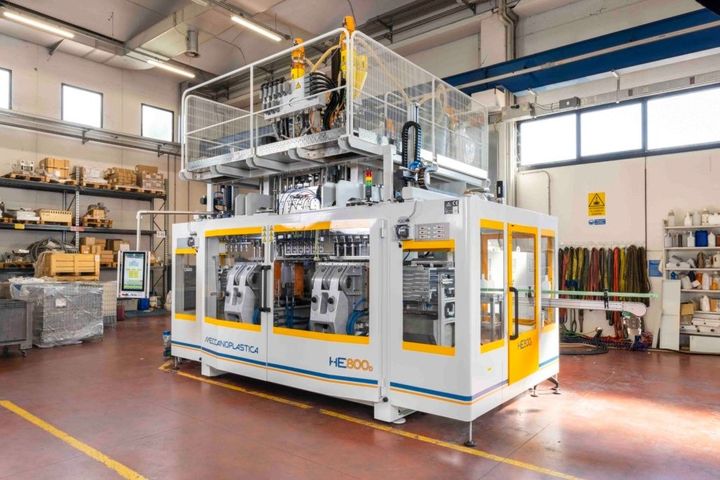
Blow moulding machines are industrial systems used to form plastic materials into hollow shapes. The basic process involves heating a polymer, placing it into or near a mould, and using controlled air pressure to expand the material against the mould surface. After cooling, the shaped component is removed for further inspection or processing.
The technology is widely associated with bottles, containers, technical components, and other hollow plastic products. However, medical manufacturing requires a much higher level of process control than ordinary plastic production. Material selection, dimensional accuracy, cleanliness, traceability, and repeatability can all influence whether a component is suitable for a regulated medical application.
The phrase modern implant creation needs some clarification. Blow moulding is not a universal method for manufacturing finished implants. Many permanent implants, particularly metallic and solid polymer implants, use processes such as precision machining, forging, casting, injection moulding, additive manufacturing, or other specialized techniques.
However, advanced polymer processing can contribute to the wider medical-device manufacturing ecosystem. Depending on the product design and material, moulding technologies may be considered for hollow medical components, protective components, delivery-related components, anatomical models, or specialized polymer parts associated with medical devices.
This distinction is important because medical-device manufacturing depends on matching the production technology with the material, geometry, intended use, and required performance characteristics.
How the Technology Works
A typical blow moulding process can involve several controlled stages:
- Polymer preparation and material inspection
- Heating to an appropriate processing condition
- Formation of a preform or parison
- Mould positioning
- Controlled air expansion
- Cooling and solidification
- Component removal
- Dimensional and visual inspection
- Documentation and quality verification
Modern equipment may use sensors, programmable controls, automated monitoring, and process-data collection to maintain consistent production conditions.
Importance
Why Medical Polymer Manufacturing Matters
Healthcare products increasingly depend on engineered polymers because they can provide useful combinations of strength, flexibility, chemical resistance, low weight, and design flexibility.
For medical-device manufacturers, the challenge is not simply creating a particular shape. The manufacturing process must also support consistent material properties and predictable product performance.
This is especially important when a component is used near a patient, incorporated into a medical device, or exposed to sterilization and demanding environmental conditions.
Medical manufacturing can involve several high-value technical areas, including:
- Medical device manufacturing
- Polymer processing
- Precision moulding
- Quality management systems
- Sterile manufacturing
- Material characterization
- Product validation
- Regulatory compliance
- Manufacturing process control
Who Is Affected?
The subject is relevant to several groups:
| Group | Main Interest |
|---|---|
| Medical-device manufacturers | Consistent and controlled production |
| Biomedical engineers | Material and design compatibility |
| Quality teams | Testing, documentation, and traceability |
| Regulatory teams | Compliance with medical-device requirements |
| Healthcare professionals | Reliable device performance |
| Patients | Safety and appropriate product performance |
| Researchers | Development of new medical materials and designs |
A well-controlled manufacturing process can reduce variation and make it easier to identify problems during production. It can also support documentation needed for regulated medical devices.
Role of Automation
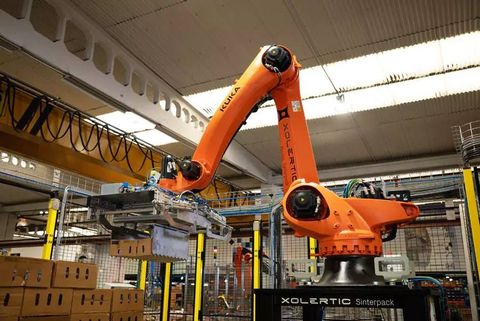
Automation is becoming increasingly important in modern manufacturing. Sensors can monitor variables such as temperature, pressure, cycle conditions, and machine performance. Programmable controls can help maintain repeatable operating conditions.
Data collection also supports manufacturing analytics. Instead of relying only on final inspection, manufacturers can monitor process information during production and investigate unusual patterns earlier.
This approach aligns with broader trends in smart manufacturing, industrial automation, quality control, and digital manufacturing systems.
Recent Updates
Medical Device Manufacturing Developments in 2025 and 2026
India's medical-device regulatory environment has continued to develop. The Central Drugs Standard Control Organisation maintains the Medical Devices Rules, 2017 framework, including requirements related to medical-device quality management, licensing, classification, testing, and manufacturing.
During 2025, CDSCO published several updates relevant to medical-device regulation. These included information concerning outsourced sterilization activities, automated neutral-code processes for exports, market-standing documentation, and updates to risk-based classification work.
On 28 June 2026, India's Ministry of Health and Family Welfare announced draft amendments intended to streamline medical-device manufacturing licensing procedures. The proposal included shorter processing timelines for certain risk categories while retaining quality, safety, and performance requirements.
The proposal is particularly relevant to high-risk medical devices because the announcement specifically identifies Class C and Class D devices, including orthopaedic implants, within the regulated framework.
Manufacturing Technology Trends
Recent manufacturing trends also show greater interest in:
- Automated process monitoring
- Digital quality records
- Machine-data collection
- Advanced polymer materials
- Precision mould design
- Automated inspection
- Traceability systems
- Energy-efficient production equipment
These developments do not mean every medical implant should be manufactured through blow moulding. Instead, they demonstrate the broader movement toward more controlled and data-driven medical manufacturing.
Laws or Policies
Indian Medical Device Regulations
In India, medical devices are regulated under the Medical Devices Rules, 2017, administered through the national medical-device regulatory framework. The rules establish requirements covering areas such as device classification, manufacturing, quality management, testing, and licensing.
Medical devices are categorized according to risk. The framework uses four broad classes: Class A, Class B, Class C, and Class D, with Class D representing the highest risk category.
For manufacturers, the production process therefore cannot be considered separately from regulatory requirements. Equipment selection, material controls, manufacturing procedures, inspection, documentation, and quality management should correspond with the specific medical device being produced.
The Medical Devices Rules also include quality-management requirements covering areas such as design and development, manufacturing, packaging, labelling, testing, installation, and other applicable activities.
Why Compliance Matters
A machine that can produce a technically accurate plastic component does not automatically make that component suitable for a medical application.
Manufacturers need to evaluate:
- Intended use
- Device classification
- Material suitability
- Manufacturing controls
- Product specifications
- Validation requirements
- Testing procedures
- Sterilization considerations
- Packaging requirements
- Traceability and documentation
Regulatory requirements can vary according to the device and its risk classification, so manufacturers should consult the applicable current rules and regulatory guidance before establishing a production process.
Tools and Resources
Useful Resources for Learning and Planning
Several categories of tools can help professionals understand blow moulding and medical-device manufacturing.
Process simulation tools:
Computer-aided engineering software can help engineers study mould filling, material behaviour, cooling, wall thickness, and potential manufacturing problems before physical production.
CAD software:
Computer-aided design systems help create moulds, components, prototypes, and engineering drawings.
Measurement equipment:
Digital gauges, coordinate-measuring systems, optical inspection equipment, and dimensional analysis tools can support quality verification.
Process-monitoring systems:
Sensors and industrial monitoring platforms can record temperature, pressure, cycle time, and other production variables.
Quality-management templates:
Document templates can help organize inspection records, process instructions, risk assessments, corrective actions, and traceability information.
Regulatory databases:
Government medical-device portals are useful for checking current classifications, notifications, application requirements, and regulatory guidance.
Learning resources:
Technical manuals, engineering textbooks, polymer-processing courses, medical-device standards, and manufacturing training materials can help beginners understand the relationship between materials, equipment, and product requirements.
FAQs
Can blow moulding machines manufacture medical implants?
Not all implants can be manufactured using blow moulding. Many implants require different technologies because of their material, geometry, strength requirements, and intended use. Blow moulding is more appropriately considered for suitable hollow polymer components and selected medical-device applications.
Why is polymer selection important in medical manufacturing?
Polymer selection affects mechanical performance, chemical resistance, thermal behaviour, dimensional stability, and compatibility with the intended application. For regulated medical devices, material suitability must be evaluated against the product's specifications and applicable requirements.
What factors should be monitored during blow moulding?
Important factors can include material condition, temperature, air pressure, cycle time, cooling conditions, wall thickness, mould dimensions, and equipment performance. The exact parameters depend on the material and product design.
Are medical-device manufacturers required to follow quality-management requirements in India?
Medical-device manufacturers operating within India's regulated framework must follow applicable requirements under the Medical Devices Rules, 2017. These include quality-management provisions relevant to manufacturing and other applicable activities.
How is automation changing medical manufacturing?
Automation can improve process monitoring, repeatability, data collection, inspection, and traceability. However, automated equipment still needs appropriate qualification, validation, maintenance, and quality controls for its intended application.
Conclusion
Blow moulding machines represent an important category of polymer-processing technology, but their role in medical manufacturing should be understood carefully. They are not a universal solution for producing finished implants. Instead, their potential value lies in suitable polymer components and medical-device applications where hollow geometries, controlled forming, and repeatable production are appropriate.